From Niche to Mainstream: How Food Delivery Apps Are Finally Embracing Authentic South Indian Cuisine
The Moment South Indian Food Started Getting the Respect It Deserves
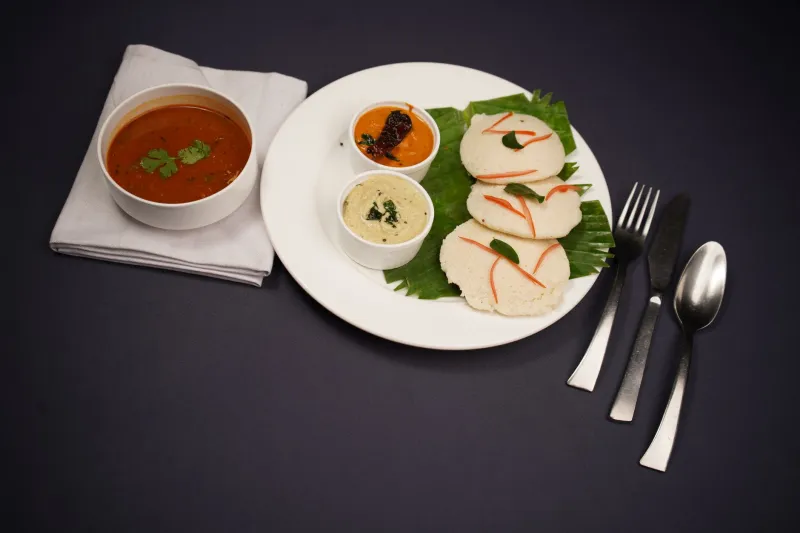
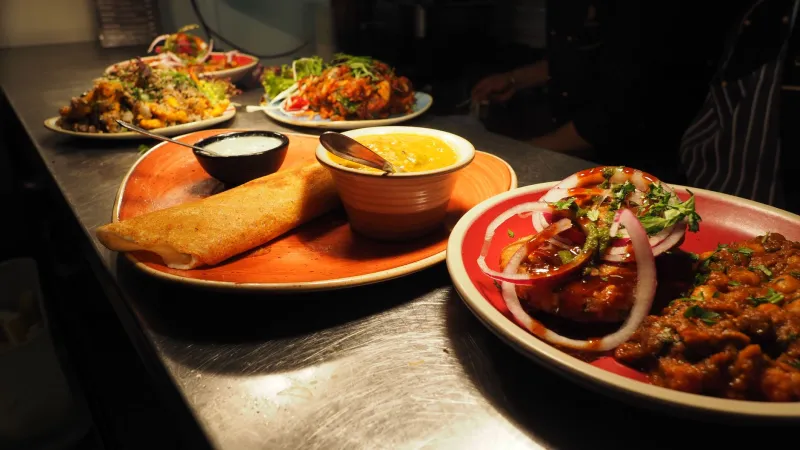
For years, if you ordered "Indian food" through a delivery app in the US, you were probably getting butter chicken, naan, and maybe some tikka masala. North Indian cuisine dominated the scene so thoroughly that most Americans didn't even realize there was an entirely different culinary universe sitting just below the Vindhya mountains. But something has shifted. Open DoorDash or Uber Eats in any major American city today, and you're increasingly likely to find restaurants offering crispy dosas, steaming idli sambar, and tangy rasam — dishes that trace their roots to Tamil Nadu, Kerala, Karnataka, and Andhra Pradesh.
This isn't a coincidence. It's the result of years of growing demand, a more food-adventurous American consumer base, and — frankly — South Indian restaurants finally getting the platform visibility they always deserved.
What Drove the Shift?
The South Indian diaspora in the US has been quietly but steadily growing for decades. Cities like San Jose, Fremont, Houston, and Edison, New Jersey have long had thriving South Indian communities with their own restaurants and grocery stores. But the customer base for those restaurants used to be almost exclusively community members. The apps changed that equation.
When delivery platforms started investing in neighborhood-level discovery features and cuisine-specific filters around 2021 and 2022, South Indian spots began showing up in front of users who had never considered ordering a masala dosa on a Tuesday night. Ratings climbed. Reviews spread. And suddenly, a restaurant in Sunnyvale that had been serving the local Tamil community for a decade was getting orders from curious foodies across the county.
The timing also aligned with a broader national interest in fermented foods and gut health — something South Indian cuisine has been quietly nailing for centuries. Idli and dosa batters, made from fermented rice and lentils, fit neatly into the wellness conversation that was dominating food media. That crossover appeal helped introduce South Indian breakfast staples to an audience that might never have walked into a traditional restaurant.
The Authenticity Challenge: What Gets Lost in Transit
Here's where things get complicated. Delivery is genuinely hard on South Indian food. A perfectly crisp dosa, paper-thin and golden at the edges, does not travel well in a styrofoam container for 35 minutes. Idli needs to be served fresh and warm. Sambar — that lentil-based vegetable stew that anchors so many South Indian meals — can thicken awkwardly or lose its layered spice profile by the time it reaches your door.
Some restaurants have responded to this challenge by simplifying their menus for delivery. They swap out more delicate preparations for heartier dishes that hold up better in transit. That's a reasonable business decision, but it can sometimes mean that what arrives at your door is a slightly blunted version of what you'd experience dining in.
Other restaurants — the ones worth seeking out — have actually engineered their packaging and prep processes around the delivery format. They pack sambar and chutneys separately. They slightly undercook dosas so they finish crisping in the container's residual heat. They prioritize dishes like Chettinad curries, lemon rice, or pongal that genuinely travel well without compromising on flavor.
How to Spot Authentic South Indian on a Delivery App
Not all "South Indian" restaurant listings are created equal. Some menus are fusion-forward, tweaking spice levels and ingredient lists to appeal to a broader American audience. That's not necessarily bad — but if you're chasing authenticity, knowing what to look for matters.
Check the menu for regional specificity. A restaurant that lists "South Indian food" as a catch-all is different from one that specifically mentions Tamil Nadu-style sambar, Kerala-style fish curry, or Andhra-style gongura. Regional specificity is usually a sign that the kitchen knows what it's doing.
Look for items that non-South-Indian restaurants wouldn't bother with. Vada, kozhukattai, pongal, appam, pesarattu — if you see these on the menu, someone in that kitchen grew up eating this food.
Read the reviews carefully. Reviews from South Indian community members carry a different weight. If someone writes "tastes just like home" or mentions that the rasam reminded them of their grandmother's cooking, that's a meaningful data point.
Avoid menus that list butter chicken and dosa side by side. There's nothing inherently wrong with a pan-Indian restaurant, but if you want authentic South Indian, a restaurant that's trying to be everything to everyone is rarely your best bet.
Success Stories Worth Celebrating
Across the country, South Indian restaurants have used delivery platforms as genuine growth engines. Small family-run spots that used to depend entirely on foot traffic have expanded their reach, hired more staff, and in some cases opened second locations — all driven by delivery volume.
What's particularly encouraging is that the most successful of these restaurants haven't compromised their identity to get there. They've leaned into it. They've used their app descriptions and photos to educate customers about what they're ordering, explaining what a filter coffee is or why their sambar tastes different from what you'd find at a generic Indian buffet. That transparency builds loyalty.
At Srirangam Bhojnam, we've seen firsthand how an authentic approach — one that doesn't cut corners on the tamarind, doesn't skip the curry leaves, and doesn't apologize for bold flavors — resonates with customers who are genuinely looking for something real. People are ready for it. They just needed the apps to help them find it.
What Comes Next
The trajectory here is genuinely exciting. As South Indian cuisine becomes more familiar to American audiences, the demand for more nuanced regional variations is going to grow. We're already seeing early interest in hyper-regional dishes that weren't on the radar even five years ago. Chettinad cuisine from Tamil Nadu's Karaikudi region. Malabar-style biryanis from northern Kerala. Nellore-style chili chicken from coastal Andhra.
Delivery apps, for all their limitations, have become an unexpected vehicle for culinary education. Every order of a well-made rasam or a properly fermented idli is a small introduction — a first step toward a deeper appreciation of one of the world's most sophisticated and diverse food traditions.
South Indian cuisine doesn't need to be simplified to be loved. It just needed a platform. And it's finally getting one.