Froth, Chicory, and a Metal Tumbler: The Slow Coffee Movement Just Found Its Master
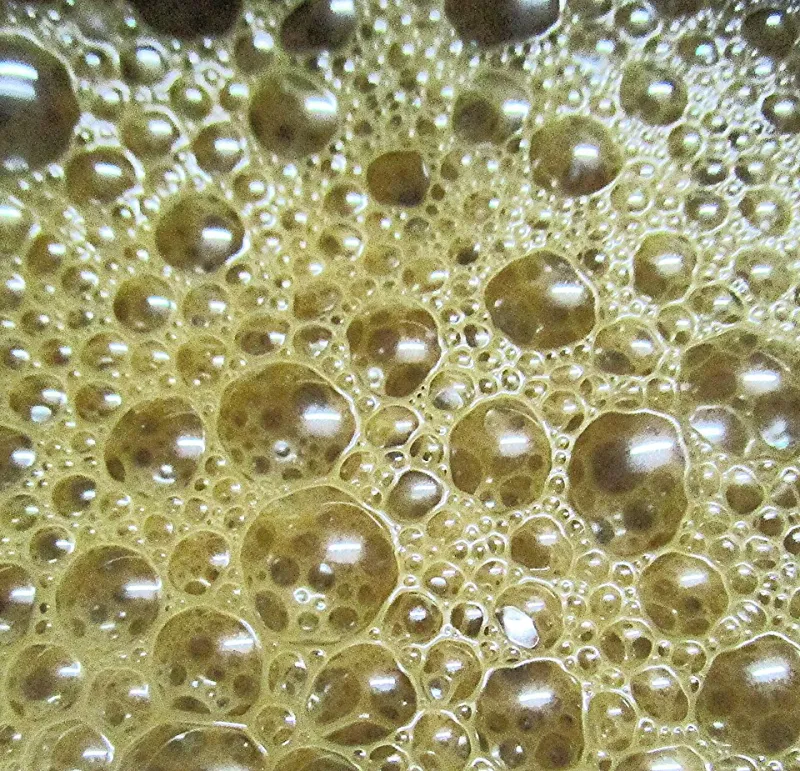
Photo: Celestial Pari, CC BY-SA 4.0, via Wikimedia Commons
The $90 Pour-Over Got a Run for Its Money
Walk into any specialty coffee shop in Portland, Austin, or Brooklyn and you'll see the same ritual: a barista with a gooseneck kettle, a scale calibrated to the gram, and a customer who just spent more on a hand grinder than on their phone bill. Third-wave coffee has taught Americans to care about origin, roast date, and water chemistry.
And then somebody hands them a small steel tumbler of kaapi — dark, frothy, cut with hot milk and a whisper of chicory — and everything they thought they knew about coffee gets politely dismantled.
What Exactly Is Filter Kaapi?
South Indian filter coffee isn't a method so much as a philosophy. Coarsely ground dark-roast beans are blended with chicory (usually around 80/20), packed into a two-chambered stainless steel device called simply a "filter," and left to drip slowly into a thick decoction. That concentrate gets mixed with boiling milk and sugar, then — this is the part that looks like performance art — poured back and forth between the tumbler and a shallow pan called the davara to build a cloud of foam on top.
No paper filters. No pressure. No 12-step recipe. Just gravity, patience, and a blend that tastes like nothing else: bitter, malty, faintly caramel-sweet from the chicory.
"I spent two years chasing single-origin Ethiopian pour-overs," says Devi Raghavan, a home brewer in Edison, New Jersey. "Then my mother-in-law made me proper kaapi one morning and I realized I'd been drinking coffee wrong my entire adult life."
Why Chicory Isn't a Dirty Word
Americans know chicory from New Orleans, where it survived the Civil War coffee blockades and never left. But in South Indian kitchens, chicory was never a substitute — it's an enhancement. It darkens the brew, adds body, and tames the bitterness of robusta-heavy blends.
The result is a cup that stands up to milk without disappearing into it. If you've ever found latte art coffee watery or cold brew one-note, chicory-blended kaapi is the missing depth you couldn't name.
The Beginner's American Kaapi Kit
Here's the good news: you don't need a plane ticket to Chennai. You need about $30 and a stove.
- The filter: Search online for a "South Indian coffee filter" — the stainless steel two-chamber kind runs $10–20 and ships everywhere. No paper, no electricity, lasts a lifetime.
- The blend: Indian grocery stores in almost every major US metro carry filter coffee powder with chicory. Look for brands labeled 80/20 or 90/10. If you're in a pinch, mix a dark roast with about 20% roasted chicory root from the health food aisle.
- The milk: Whole milk, boiled. This is not the place for oat milk on your first attempt.
- The davara-tumbler: Optional but transformative. Steel conducts heat, cools the sip to drinking temperature fast, and honestly just feels right in the hand.
How to Brew It (Without a Scale)
- Add three heaping tablespoons of coffee powder to the top chamber of your filter.
- Press it gently with the plunger — snug, not compacted.
- Pour in boiling water to the brim, cover, and walk away. Twenty to thirty minutes later, you'll have a syrupy decoction in the bottom chamber.
- In a tumbler, mix one part decoction to two or three parts hot milk. Add sugar.
- Now the fun part: pour the coffee back and forth between the davara and tumbler, arm raised, until a thick froth forms. This "metering" aerates and cools the drink in one motion.
Serve with something crisp — a murukku, a rusk, or frankly, whatever's on the counter.
The Slow Coffee Movement's Missing Chapter
There's something almost funny about it. American coffee culture spent a decade relearning patience — single-cup brewing, small batches, ritual for ritual's sake. South Indian households never lost it. The filter sits on the counter dripping while breakfast is made, the way it has for generations. No timer, no technique anxiety. Just coffee, happening at the speed of coffee.
Maybe that's the real reason kaapi is catching on. Not the froth, not the chicory — though both help. It's that the whole thing asks almost nothing of you except to wait a little, and then drink something genuinely wonderful.
Your cold brew had a good run. The tumbler's waiting.