Beyond the Packet: How to Build Your Own Sambar Powder from Scratch (and Why It Changes Everything)
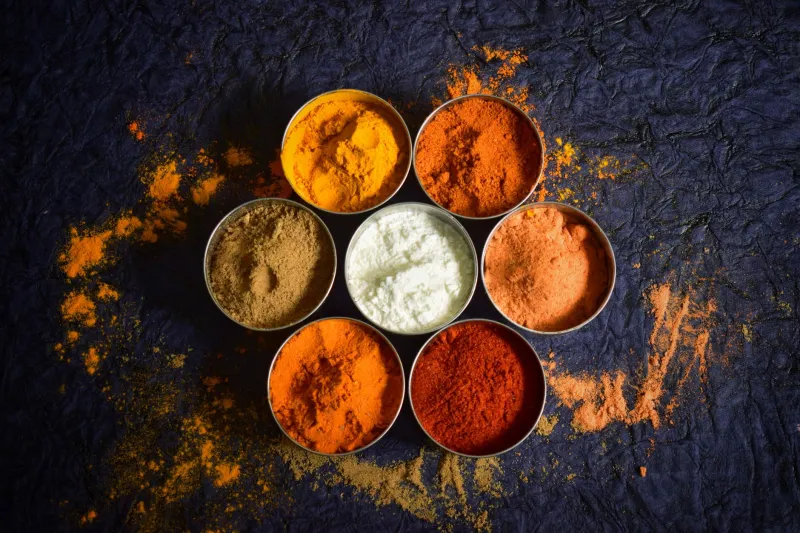
If you've ever ordered sambar at a South Indian restaurant and thought, this tastes nothing like what I make at home, there's a good chance the culprit isn't your technique. It's your spice blend. Specifically, it's the sambar powder—that rust-colored, intensely aromatic mix that forms the flavor backbone of this iconic lentil stew. And if you've been buying it pre-made from your local Indian grocery store, you're working with someone else's formula.
At Srirangam Bhojnam, we believe that truly authentic South Indian cooking starts with understanding why things work, not just what to add. So let's talk about sambar powder—where it comes from, how it varies by region, and how you can build a version at home that'll make your sambar taste like it came straight out of a grandmother's kitchen in Tamil Nadu.
What Even Is Sambar Powder?
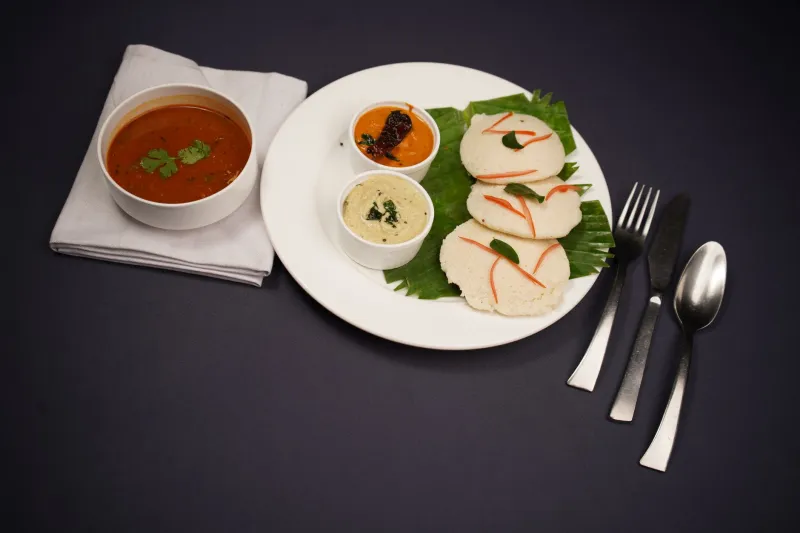
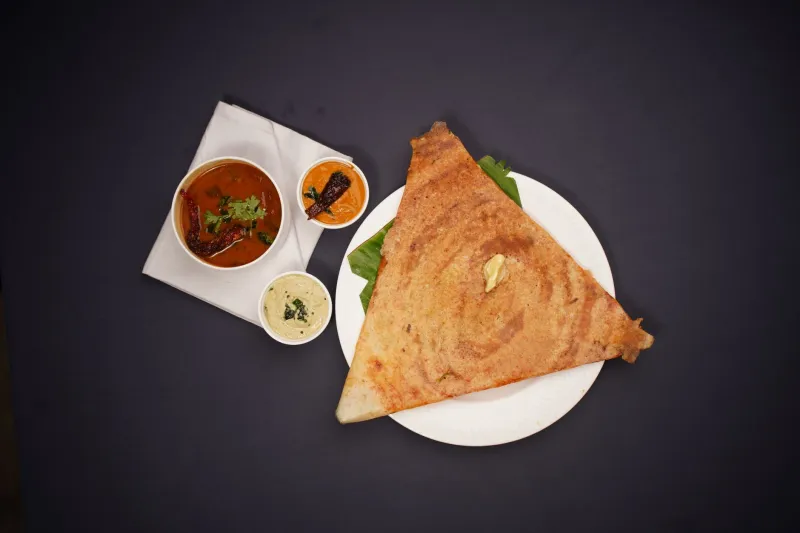
At its most basic, sambar powder is a dry-roasted, ground spice blend used to season sambar—the tangy, tamarind-laced lentil soup served alongside idli, dosa, rice, and practically everything else in a South Indian meal. But calling it just a "spice blend" is a little like calling the Mona Lisa just a "painting." The blend typically contains anywhere from 10 to 20 ingredients, and the balance between them is what separates a flat, one-dimensional sambar from something genuinely transcendent.
The core players are usually dried red chilies, coriander seeds, cumin, black pepper, chana dal (split chickpeas), urad dal, curry leaves, and turmeric. From there, cooks add their own family signatures—some include cinnamon and cloves for warmth, others throw in dried coconut for richness, and a few regional recipes call for a pinch of asafoetida roasted directly into the blend rather than added separately during cooking.
The Chemistry Behind the Magic
Here's where things get genuinely interesting. The reason homemade sambar powder tastes so different from store-bought isn't just freshness—though that matters enormously. It's about the order in which you roast the spices and the Maillard reaction happening at every step.
Dried red chilies, for instance, release their fat-soluble capsaicin compounds more fully when dry-roasted before grinding. Coriander seeds develop a nutty, citrusy complexity when heated, because the volatile essential oils in the seed coat transform under moderate heat. Cumin goes through a similar transformation—raw cumin has a sharp, almost medicinal edge, but roasted cumin develops the earthy, toasty warmth that makes sambar feel grounding and satisfying.
The dals in the blend—chana and urad—serve a different function entirely. They add body to the powder, helping it thicken the sambar slightly when it hits the hot liquid, and they contribute a subtle nuttiness that rounds out the sharper spice notes. Think of them as the bass line in a song where the chilies and pepper are the guitar riff.
Turmeric, added raw and unroasted, keeps its bright anti-inflammatory compounds intact and gives the sambar its golden color. It's one of the few ingredients in the blend that benefits from not being heated before grinding.
Regional Variations Across South India
Ask five South Indian home cooks for their sambar powder recipe and you'll get five completely different answers—and probably a mild argument about whose version is correct.
Tamil Nadu-style sambar powder tends to lean heavier on dried red chilies (often Guntur or Byadagi varieties) and coriander, producing a bolder, more assertive flavor. Many Tamil households also include a small amount of marathi mokku (dried kapok buds), which adds a distinctive floral bitterness that's hard to replicate with substitutes.
Karnataka-style blends often incorporate more coconut—sometimes dried, sometimes fresh and then dehydrated—which softens the heat and adds a creamy undertone. Mysore-style sambar, in particular, is known for being slightly sweeter and more aromatic than its Tamil counterpart.
Andhra and Telangana versions tend to be spicier across the board, with a higher ratio of dried chilies and sometimes the addition of sesame seeds, which contribute a toasty richness.
None of these is "the right way." They're all authentic expressions of regional cooking traditions, shaped by local agriculture, climate, and centuries of culinary evolution.
Building Your Own Blend: A Starting-Point Recipe
This is a solid base recipe that skews Tamil Nadu-style—a good starting point for American home cooks who want authenticity without needing to track down every single regional specialty ingredient.
Ingredients (makes about 1 cup of powder):
- 20–25 dried red chilies (Kashmiri for mild heat, Guntur for serious heat)
- 3 tablespoons coriander seeds
- 1 tablespoon cumin seeds
- 1 teaspoon black peppercorns
- 2 tablespoons chana dal
- 1 tablespoon urad dal
- 1 tablespoon raw rice
- 10–12 fresh curry leaves
- 1/2 teaspoon turmeric powder (added after roasting, not before)
- 1/4 teaspoon asafoetida
Steps:
- Heat a dry skillet over medium-low heat. Roast the chana dal and urad dal first, stirring constantly, until they turn golden and smell nutty—about 3 to 4 minutes. Set aside.
- In the same pan, roast the dried red chilies until they puff slightly and darken. Don't let them burn; bitter is not the goal here.
- Add the coriander seeds and cumin to the pan and toast until fragrant, about 2 minutes. Add the peppercorns for the last 30 seconds.
- Roast the raw rice until golden. Roast the curry leaves until crisp and dry.
- Let everything cool completely. Combine all roasted ingredients in a blender or spice grinder, then add the turmeric and asafoetida. Grind to a fine powder.
- Store in an airtight jar away from light and heat. Use within 2 to 3 months for peak flavor.
The Real Difference You'll Taste
The first time you make sambar with your own powder, the difference is noticeable within minutes of adding it to the pot. The aroma that rises from the pan is more complex, more layered—there's heat, yes, but also something floral, something earthy, something that smells unmistakably alive.
That's what freshly roasted spices do. They haven't been sitting in a factory-sealed packet for six months. They haven't lost their volatile oils to time and fluorescent lighting. They're still carrying the full spectrum of flavor they were always meant to deliver.
At Srirangam Bhojnam, we're always saying that authentic South Indian food isn't complicated—it just requires attention and care. Sambar powder is a perfect example of that philosophy. A little extra effort upfront pays off in every single bowl you serve afterward.
So skip the packet this weekend. Spend twenty minutes with a dry skillet and a spice grinder. Your sambar will never be the same.