Move Over, Bone Broth: Rasam Is the Ancient South Indian Elixir America's Wellness World Can't Stop Talking About
For years, bone broth held the crown in American wellness culture. It showed up in paper cups at farmers markets, in $12 pouches at Whole Foods, and in every other Instagram caption tagged #guthealth. And then, quietly, something started shifting.
In yoga studios in Austin, Ayurvedic clinics in Los Angeles, and South Indian households tucked into suburbs from New Jersey to Georgia, a different kind of restorative liquid was already doing the heavy lifting — and it had been for centuries. It's called rasam, and if you haven't heard of it yet, your immune system is about to thank you for reading this.
So, What Exactly Is Rasam?
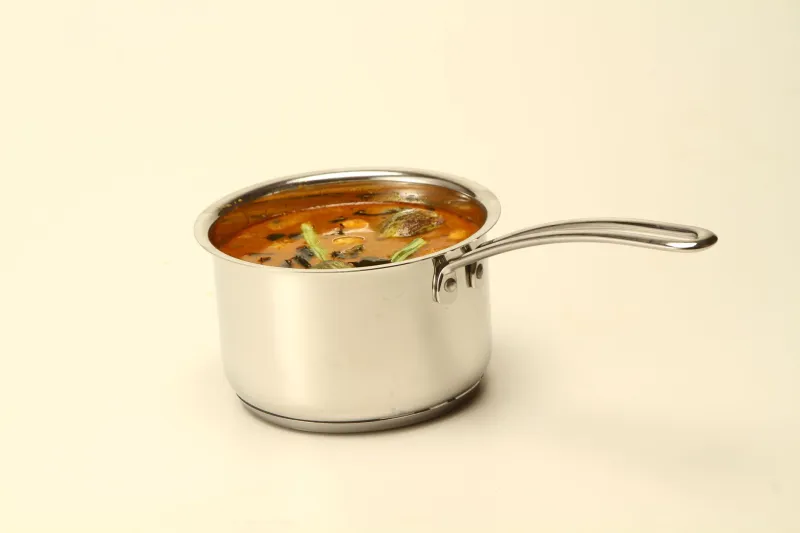
Rasam (pronounced rah-sum) is a thin, soupy staple from South India — specifically from Tamil Nadu, Karnataka, Andhra Pradesh, and Kerala — where it's been served at the end of meals, during sick days, and as a first food for recovering patients since time immemorial. The base typically involves tamarind water, tomatoes, black pepper, cumin, garlic, and a handful of dried red chilies, all tempered in ghee or oil with mustard seeds and curry leaves.
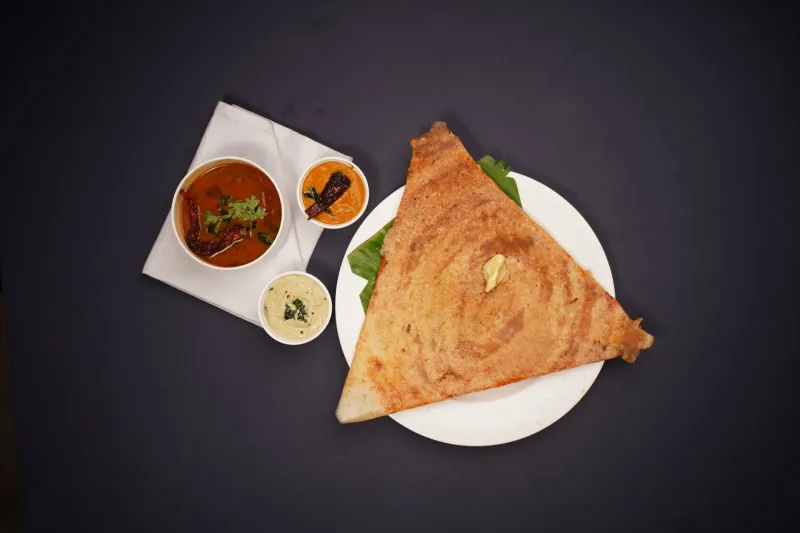
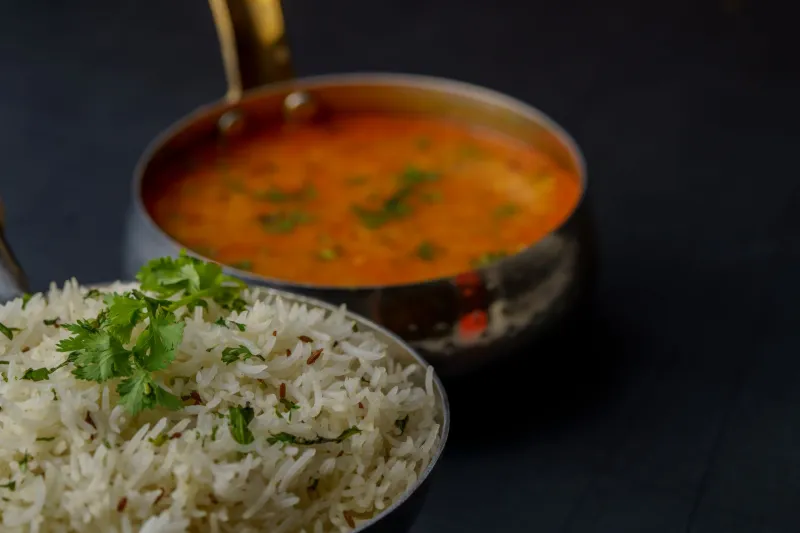
It's not a stew. It's not a broth exactly, either. It's lighter, more aromatic, and far more complex than it looks. The flavor hits multiple notes at once — sour from the tamarind, sharp from the pepper, earthy from the cumin, and faintly sweet from the tomatoes. In a traditional South Indian meal, it's the course that comes after sambar and before curd rice, served over rice or sipped straight from the bowl like a drink.
But here's the thing: rasam was never just food. It was medicine.
The Ingredient List Reads Like an Ayurvedic Prescription
"Every single ingredient in rasam has a documented therapeutic purpose," says Dr. Anitha Krishnamurthy, an Ayurvedic practitioner based in the San Francisco Bay Area who works with a largely South Asian-American clientele. "Tamarind is a digestive. Black pepper is a bioavailability enhancer — it actually helps your body absorb other nutrients more efficiently. Cumin is carminative, meaning it reduces gas and bloating. Garlic is antimicrobial. Curry leaves are rich in antioxidants. Ghee is a carrier that brings these compounds deeper into your tissues. This isn't folk wisdom. This is sophisticated nutritional design."
The science backs her up. Black pepper contains piperine, a compound that's been studied extensively for its ability to increase the absorption of curcumin (found in turmeric, which often makes an appearance in rasam variants). Tamarind contains tartaric acid, which supports digestion and has mild anti-inflammatory properties. Garlic's allicin content has been linked to immune-modulating effects in multiple clinical studies. And ghee, long vilified in American diet culture, is now recognized as a source of butyrate, a short-chain fatty acid that supports gut lining integrity.
Registered dietitian Priya Sundar, who practices in Atlanta and frequently works with South Indian families, puts it plainly: "Rasam is a functional food before functional foods were a marketing category. It's anti-inflammatory, pro-digestive, and immune-supportive all in one bowl. The fact that it's also deeply comforting and delicious is almost unfair."
Why Americans Are Finally Paying Attention
The timing makes sense. Post-pandemic, Americans are more interested in food-as-medicine than ever before. Google searches for 'immunity-boosting foods' have remained elevated since 2020. The gut health conversation has moved from niche to mainstream. And there's a growing fatigue with expensive supplements and wellness products that promise transformation but deliver very little.
Rasam, by contrast, costs almost nothing to make. A pot of good rasam can come together in under 20 minutes with pantry staples that you can find at any Indian grocery store — and increasingly, at larger Whole Foods or Asian supermarkets in major metro areas.
Social media has played a role, too. Videos of rasam being made — the dramatic sizzle of mustard seeds hitting hot ghee, the curl of steam rising from a clay pot — have been circulating on TikTok and Instagram Reels, often captioned with something like "what my grandmother made me every time I got sick." Those videos resonate with non-South-Indian viewers who are searching for exactly that kind of ancestral, intuitive nourishment.
The Many Faces of Rasam
One thing worth knowing: rasam is not a monolith. Every South Indian household has its version, and every version tells you something about where the cook is from.
Tomato rasam is probably the most common entry point — tangy, bright, and mildly spiced. Pepper rasam (milagu rasam) skews more medicinal, heavy on the black pepper and ginger, and is the version grandmothers deploy at the first sign of a sniffle. Garlic rasam (poondu rasam) is intensely aromatic and especially prized during cold and flu season. Lemon rasam swaps tamarind for fresh citrus and tends to be lighter and more refreshing. Pineapple rasam, popular in parts of Kerala, is a sweet-sour revelation that stops first-timers in their tracks.
Each variation has its own personality, its own occasion, its own medicine.
Making It at Home (It's Easier Than You Think)
If you want to try rasam at home, start with a basic tomato-pepper version. You'll need:
- 2 medium tomatoes, roughly chopped
- 1 tablespoon tamarind paste (or a lemon-sized ball of tamarind soaked in warm water)
- 1 teaspoon black pepper, coarsely crushed
- 1 teaspoon cumin seeds
- 4-5 garlic cloves, lightly smashed
- A handful of curry leaves
- 2 dried red chilies
- ½ teaspoon turmeric
- Salt to taste
- 1 tablespoon ghee or neutral oil
- Fresh cilantro for finishing
Simmer the tomatoes and tamarind water together until soft, then add the spices and enough water to make a thin, soup-like consistency. In a separate small pan, heat the ghee and temper the mustard seeds, cumin, dried chilies, garlic, and curry leaves until fragrant — about 90 seconds. Pour that tempering over your rasam, finish with fresh cilantro, and you're done.
Sip it from a mug. Pour it over rice. Serve it alongside a meal. There's no wrong way.
Too Busy to Cook? Order It.
Look, not every weeknight allows for even a 20-minute cooking project. That's completely valid. The good news is that authentic rasam — made the traditional way, with real tamarind and freshly tempered spices — is available through South Indian restaurants and delivery services that actually know what they're doing.
At Srirangam Bhojnam, rasam is part of our meal offerings because we believe it belongs on every table, not just in South Indian homes. Whether you're feeling under the weather, recovering from a brutal work week, or just curious about what all the fuss is about, a bowl of properly made rasam is one of the most accessible entry points into South Indian food culture there is.
A Bowl That's Been Waiting for Its Moment
Rasam didn't need a rebrand or a celebrity endorsement. It didn't need to be reformulated or put in a sleek bottle. It just needed the rest of the world to slow down long enough to notice what South Indian kitchens have always known: sometimes the most powerful thing you can eat is also the simplest.
The rasam effect is real. And it's just getting started.