Why Your Weeknight Dinner Problem Has a One-Pot South Indian Solution
The Weeknight Dinner Trap Is Real
Most American households are running on a pretty tired loop. Monday is pasta. Tuesday is sheet pan chicken. Wednesday is tacos. Thursday is some kind of stir-fry that never quite comes together. Friday is giving up and ordering pizza. Sound familiar?
Here's the thing nobody tells you: all that variety isn't actually variety. You're still spending the same amount of mental energy, the same number of pots and pans, and roughly the same amount of time every single night — just to produce food that your family eats in ten minutes without looking up from their phones.
What if the answer wasn't more recipes, but one really, really good one?
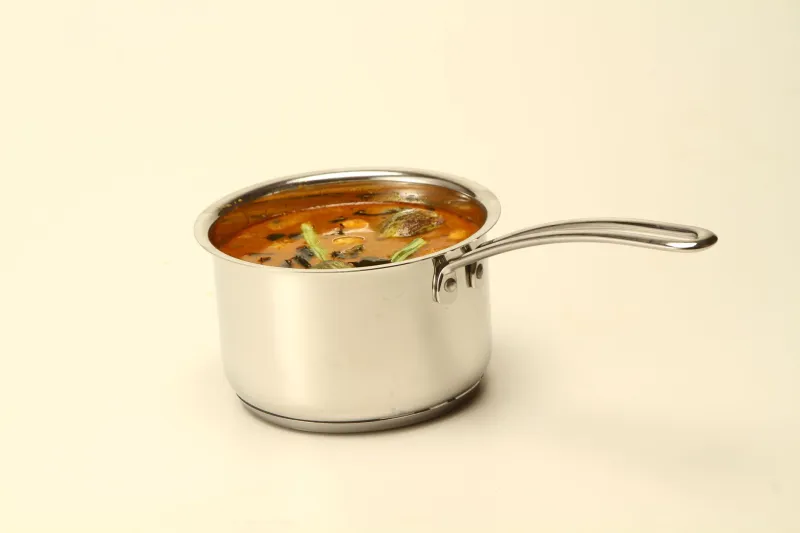
Enter sambar. The South Indian vegetable stew that's been quietly feeding millions of people across Tamil Nadu, Karnataka, Kerala, and Andhra Pradesh for centuries. It's not flashy. It doesn't have a viral moment (yet). But it might be the most efficient, nutritious, and genuinely satisfying thing you can put on a weeknight table.
What Even Is Sambar?
At its core, sambar is a lentil-based vegetable stew built on a foundation of cooked toor dal (split pigeon peas), tamarind, tomatoes, and a spice blend called sambar powder. From there, you add whatever vegetables you have — drumstick, eggplant, pearl onions, carrots, potatoes, zucchini, bell peppers. The stew is finished with a tempering of mustard seeds, curry leaves, dried red chilies, and asafoetida bloomed in oil or ghee.
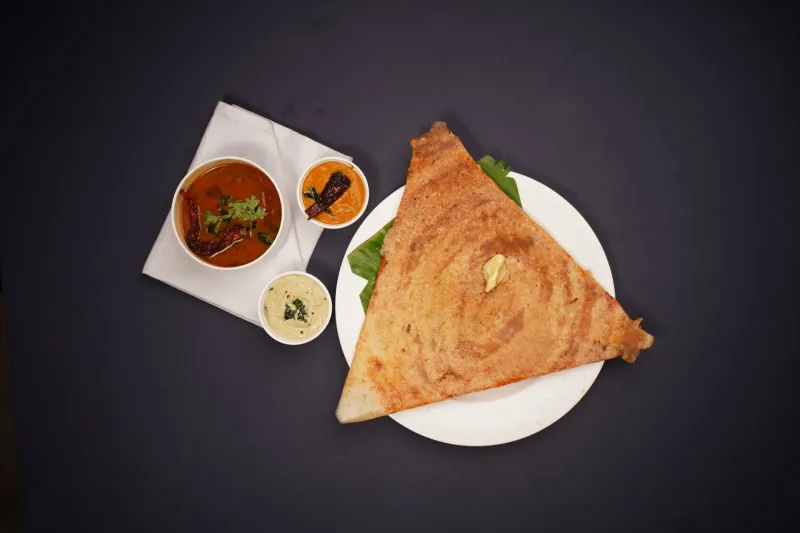
It's served over steamed rice, alongside idli, or with crispy dosas. Sometimes all three at once, depending on how hungry your household is.
The flavor is hard to describe if you've never had it. It's tangy from the tamarind, earthy from the lentils, warmly spiced without being aggressively hot, and deeply savory in a way that feels more complex than the sum of its parts. That complexity is actually the whole point.
The Science of Why Sambar Keeps You Fuller, Longer
Let's talk about what's happening chemically in that pot, because it's genuinely interesting.
Tamarind is doing a lot of heavy lifting here. It's acidic, which means it's brightening flavors and cutting through the richness of the lentils. But it's also loaded with tartaric acid, which slows the digestion of carbohydrates — meaning the rice you eat with your sambar doesn't spike your blood sugar the same way a bowl of plain white rice would. That's not a small thing.
Toor dal, the lentil base, is a protein and fiber powerhouse. One cup of cooked pigeon peas delivers around 11 grams of protein and nearly 9 grams of fiber. Pair that with the vegetables simmered into the stew, and you've got a meal that genuinely fills people up.
Then there's the spice blend. Sambar powder typically contains coriander, cumin, black pepper, chili, turmeric, curry leaves, and sometimes fenugreek or mustard seeds. Several of these — particularly fenugreek and asafoetida — have been shown to support digestion and reduce bloating. The turmeric brings its well-documented anti-inflammatory properties. You're not just making dinner. You're building a meal that works with your body.
The tamarind-lentil-spice combination also creates what food scientists call umami depth — that savory, mouth-coating satisfaction that signals to your brain that you've eaten something substantial. It's the same quality that makes a slow-cooked bolognese or a good miso soup feel more filling than their ingredient lists would suggest.
One Pot, Infinite Variations
Here's where sambar genuinely beats the five-recipe weeknight rotation on its own terms: it changes dramatically based on what you put in it, without requiring you to learn a new technique.
Make it with pearl onions and tomatoes for a light, tangy version that pairs beautifully with crispy dosas. Load it up with drumstick (moringa pods, increasingly available at Indian grocery stores and even some Whole Foods locations) for an earthy, slightly bitter variation that's wildly nutritious. Toss in cubed butternut squash during fall and it transforms into something almost sweet and warming. Add a handful of spinach at the end for a quick green boost.
Every single one of those is still sambar. Same technique, same base, same spice profile. But they taste distinct enough that your family won't feel like they're eating the same thing four nights in a row — even when they technically are.
That's the equation that makes sambar smarter than most weeknight strategies.
Batch Cooking Sambar: The Practical Guide
Sambar is arguably better the next day. The tamarind and spices continue to develop as it sits, the flavors meld, and the lentils thicken the broth further. This makes it a natural candidate for Sunday batch cooking.
Here's a simple approach that works well for a family of four:
Sunday: Make a large pot of sambar — roughly a 6-quart Dutch oven's worth. Use a mix of vegetables that hold up well to reheating, like carrots, potatoes, and eggplant. Cook your toor dal separately and store it on the side so you can adjust the thickness as you go through the week.
Monday: Serve over steamed rice with a side of papad (thin lentil crackers, available at any Indian grocery store or on Amazon) for a complete, quick dinner.
Tuesday: Thin it out slightly with water or vegetable broth, adjust the seasoning, and serve with idli or store-bought dosa batter you've cooked up. Different texture, different feel.
Wednesday: Add a new vegetable — zucchini works great here — do a fresh tempering, and serve over rice again. The new tempering wakes the whole pot back up.
Thursday: Use the remaining sambar as a base for a quick soup by blending half of it smooth and combining it back with the chunky remainder. Serve with crusty bread if your household is into that kind of fusion.
Four nights of dinners. One core cooking session. Genuinely different eating experiences each time.
Why American Home Cooks Are Starting to Pay Attention
There's a broader shift happening in how people think about weeknight cooking. The aspirational multi-recipe approach — where every night is a different culinary adventure — is exhausting, and a lot of families are quietly admitting that. The meal prep trend pointed in the right direction but often produces sad, reheated food that nobody is excited about by Wednesday.
Sambar sidesteps both problems. It's genuinely delicious reheated. It adapts to what's in your fridge. It doesn't require specialized equipment or hard-to-find ingredients (most Indian grocery stores carry everything you need, and sambar powder is even showing up at Trader Joe's and Walmart in some markets). And it delivers nutrition that most weeknight dinners simply don't.
At Srirangam Bhojnam, sambar is the dish we're asked about most often by customers who've never had South Indian food before and want to start somewhere approachable. There's a reason for that. It's warm, it's filling, it's deeply flavorful without being intimidating, and it makes people feel genuinely good after eating it.
That's not a complicated equation. That's just good food doing what good food is supposed to do.
The Takeaway
You don't need five different recipes to solve the weeknight dinner problem. You need one really solid one that you can work with, build on, and come back to without getting bored. Sambar has been that recipe for South Indian families for generations.
It might be time to make it yours too.