Gut Feelings: Why South Indian Ferments Are the Probiotic Powerhouses Your Wellness Routine Is Missing
Walk into any Whole Foods or Sprouts in the US right now and you'll find an entire refrigerated wall dedicated to fermented foods. Kombucha. Kefir. Miso. Kimchi. The gut-health aisle has become a legitimate grocery category, and Americans are spending real money on it — the global probiotic market is projected to surpass $90 billion by 2027.
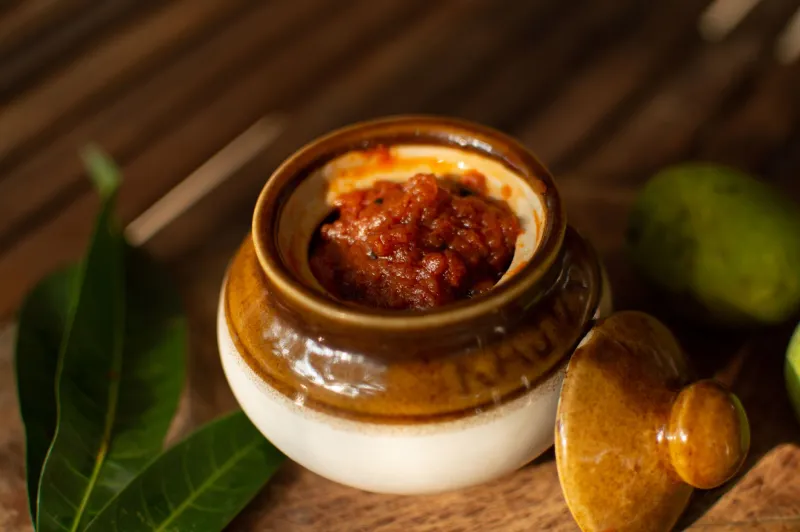
But here's the thing: while American wellness culture is busy "discovering" fermentation, South Indian households have been living this reality for generations. Long before anyone coined the phrase "gut microbiome," grandmothers in Tamil Nadu were pressing mangoes into clay pots with salt, mustard seeds, and sesame oil, letting time and bacteria do what no supplement could replicate. The fermentation revolution isn't new. It just finally has an audience.
What Makes South Indian Ferments Different
Not all fermented foods are created equal, and South Indian condiments occupy a genuinely unique corner of the fermentation world. Unlike the clean, single-note tang of sauerkraut or the effervescent bite of kombucha, South Indian achaar and chutneys layer fermentation with a whole spice cabinet — fenugreek, asafoetida, curry leaves, dried red chilies, turmeric. The result isn't just probiotic-rich food. It's probiotic-rich food that also happens to be a flavor bomb.
"What's really interesting from a nutritional standpoint is the synergistic effect," says Dr. Priya Venkataraman, a registered dietitian based in the San Francisco Bay Area who specializes in South Asian dietary patterns. "You have live cultures from the fermentation process, and you also have anti-inflammatory compounds from spices like turmeric and fenugreek working alongside them. It's not just one benefit — it's several happening at the same time."
Traditional mango achaar, for instance, ferments over days or weeks in salt brine, which encourages the growth of naturally occurring lactobacillus bacteria — the same family of microbes found in yogurt and many commercial probiotic supplements. The oil used in the pickle (typically sesame or mustard) acts as a preservative while also delivering healthy fats that help the body absorb fat-soluble vitamins.
Coconut Chutney: The Underrated Ferment
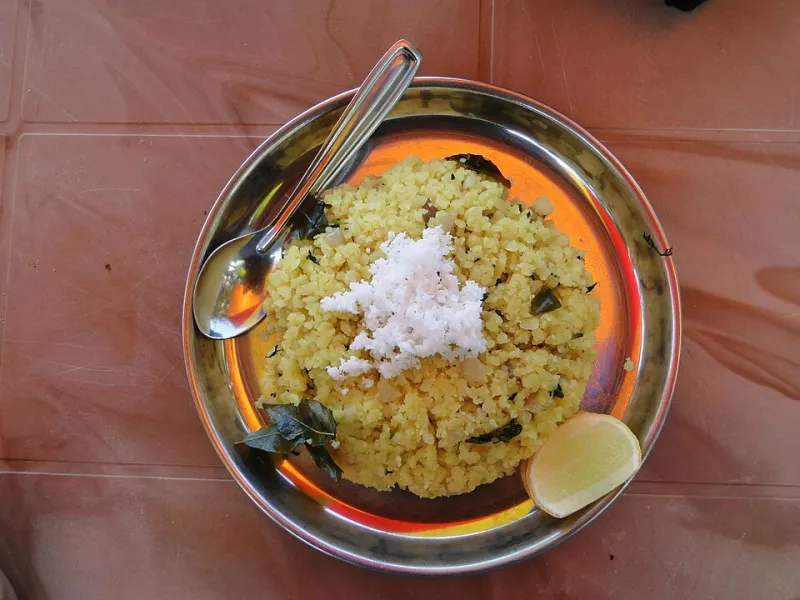
When most Americans think of coconut chutney, they picture the white, creamy dip that comes alongside dosas and idlis at Indian restaurants. Fresh coconut chutney isn't fermented — but its close cousin, the coconut-based chutneys that are left to mature at room temperature for a day or two, absolutely is.
"Even a short fermentation window changes the nutritional profile significantly," explains food scientist Marcus Tran, who consults for several food startups exploring traditional Asian fermentation methods. "You get increased bioavailability of minerals, a reduction in anti-nutrients like phytic acid, and the development of beneficial organic acids. A chutney that sat overnight is genuinely different — nutritionally and flavor-wise — than one made and eaten immediately."
For American home cooks, this is actually good news. You don't need a fermentation crock or a temperature-controlled environment to start experiencing these benefits. A covered bowl on your counter is often enough.
The Flavor-Time Relationship Nobody Talks About
One of the biggest misconceptions American cooks bring to South Indian fermentation is impatience. We live in a culture of instant results — same-day delivery, five-minute recipes, overnight oats. Fermentation asks you to slow down, and South Indian fermentation especially rewards those who do.
Mango achaar made in the traditional way — packed in ceramic or glass jars, turned daily in sunlight, aged for weeks — develops a depth that's almost impossible to shortcut. The salt draws moisture out of the fruit, the spices bloom and mellow, and the bacteria work steadily through the sugars, producing lactic acid that creates that signature sour punch.
"I always tell people to think of it like a relationship," says Meenakshi Subramaniam, who runs a small-batch achaar operation out of her home kitchen in the Dallas-Fort Worth area and ships nationally. "You check on it every day. You notice the changes. By the time it's ready, you've built something together."
For beginners, here's a rough timeline to keep in mind:
- Quick ferments (1–3 days): Fresh coconut or tomato chutneys left to develop at room temperature. Mild tang, bright flavor, great introduction to the process.
- Medium ferments (1–2 weeks): Raw mango or lemon achaar in salt brine. Noticeably more complex, increasingly probiotic-rich.
- Long ferments (1–3 months): Traditional sun-cured mango pickles, mixed vegetable aachars. Deep, concentrated flavor with serious gut-health credentials.
What American Kitchens Get Wrong (And How to Fix It)
Salt ratios are the number one place things go sideways for first-time fermenters. South Indian achaar recipes use salt not just for flavor but as a critical preservation mechanism — it creates an environment where beneficial bacteria thrive and harmful pathogens can't survive. Reducing salt to suit American palates can compromise the fermentation process entirely.
The second common mistake is refrigerating too early. Many American cooks, trained to refrigerate everything immediately, cut the fermentation process short before the flavors have had time to develop or the probiotic cultures have reached meaningful levels. For most achaar recipes, room temperature — ideally somewhere between 70–80°F — is your friend for the first week or two.
Oil coverage matters too. Traditional recipes call for enough oil to fully submerge the pickle, which prevents mold growth on the surface. Don't skimp here.
Where to Start If You're Curious
If making your own feels like too much of a commitment right now, the easiest entry point is simply ordering from a South Indian restaurant or delivery service that makes these condiments in-house. There's a meaningful difference between a mass-produced jarred pickle from a grocery store shelf and one that's been crafted using traditional methods — in both flavor and in the living cultures it contains.
Once you've tasted the real thing, you'll understand what the wellness world is just beginning to catch onto. South Indian ferments aren't a trend. They're a tradition that was always worth paying attention to.
Your gut, it turns out, has excellent taste.