No Two Bowls Are the Same: The Personal, Political, and Deeply Delicious World of Sambar

Photo: tamadhanaval, CC BY-SA 2.0, via Wikimedia Commons
Priya, who grew up in a small town outside Madurai, still calls her mom every time she makes sambar. Not because she's forgotten the recipe. She knows it by heart—the toor dal simmered until just soft, the tamarind soaked and squeezed, the tomatoes, the pearl onions, the curry leaves crackling in hot sesame oil. She calls because sambar, in her family, is not a fixed thing. It's a conversation.
"My mom will ask what vegetables I'm using, what dal I have, whether I got good tamarind," she says, laughing. "And then she'll tell me to do something slightly different from last time. It's never the same recipe twice. That's just how sambar works."
This is the thing about sambar that no restaurant menu, no food blog, and no packet of sambar powder can fully communicate: it is one of the most personal dishes in all of South Indian cooking. And if you've ever ordered it at a restaurant in the US and thought it tasted a little flat, or a little too sweet, or just somehow off—you weren't imagining things. You were tasting someone else's version of a dish that was never meant to be standardized.
What Sambar Actually Is (And What It Isn't)
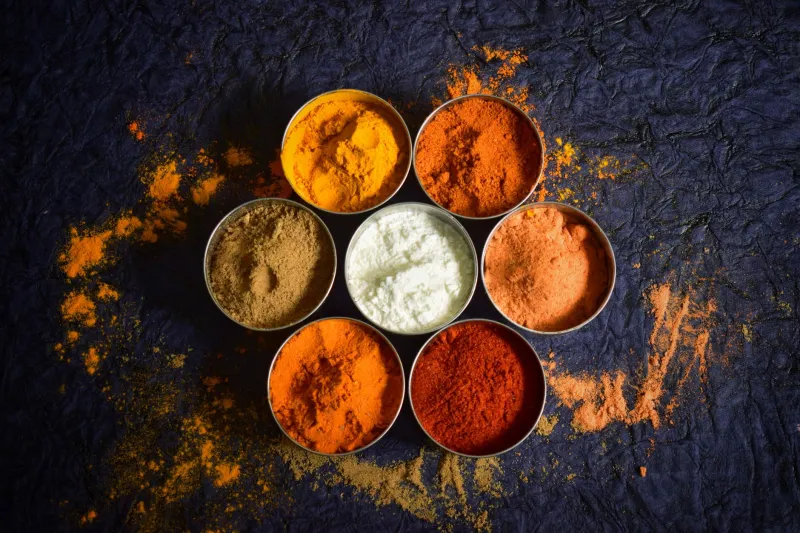
At its most basic, sambar is a lentil-based vegetable stew cooked with tamarind, tomatoes, and a spice blend called sambar powder. It's served over rice, alongside idli and dosa, poured over vada, or drunk on its own from a small cup at the end of a traditional South Indian meal called a thali.
But calling sambar just a "lentil stew" is like calling jazz just "music with improvisation." It's technically accurate and completely misses the point.
The dish has roots going back several centuries, with some food historians connecting it to the Maratha ruler Sambhaji, who allegedly tried to make dal without kokum (a souring agent) and used tamarind instead. Others trace it to the temple kitchens of Tamil Nadu, where cooks fed thousands of pilgrims daily using whatever vegetables were in season. The origin story is disputed—as it always is with dishes this old—but the result is a stew that is simultaneously humble and complex, simple and endlessly variable.
The Regional Divide Is Real
Here's where things get interesting, especially if you're new to South Indian food.
Sambar in Tamil Nadu tends to be thinner, more tamarind-forward, and often darker in color. The spice blend used there typically includes dried red chilies, coriander, cumin, black pepper, and chana dal roasted together—giving it a deep, slightly smoky backbone. Pearl onions are almost non-negotiable in the Tamil version, and certain vegetables—drumstick (moringa), white pumpkin, raw banana—show up in ways that feel distinctly Tamil.
Karnataka's sambar is a different animal. It's often thicker, sweeter (thanks to the use of jaggery), and carries a more coconut-forward flavor. The sambar powder used in Karnataka kitchens frequently includes dried coconut and sometimes cinnamon, which gives it a warmer, rounder profile. Udupi-style sambar—from the coastal temple town of Udupi—is particularly famous for its balance of sweet, sour, and spicy, and it's the version most commonly served at South Indian vegetarian restaurants across the US.
Andhra Pradesh and Telangana take sambar in a hotter direction. These states are known for their love of heat, and their sambar reflects that—more red chili, less sweetness, a sharper tamarind punch. If you've ever had sambar that made you genuinely reach for water, there's a good chance it was inspired by an Andhra kitchen.
Kerala's version often incorporates coconut milk or freshly grated coconut, giving it a creamier texture and a mellow, almost tropical sweetness that sets it apart from all the others.
The Vegetable Matters More Than You Think
One thing that confuses a lot of first-time sambar eaters is that the dish doesn't have a fixed vegetable. It changes based on season, region, family tradition, and honestly, what's in the fridge.
Drumstick—the long, ridged pod of the moringa tree—is probably the most iconic sambar vegetable, especially in Tamil Nadu. You don't eat the pod itself; you scrape the soft interior off with your teeth. It has a subtle, slightly bitter flavor that works beautifully with the tamarind base.
Other common additions include eggplant, tomato, pearl onions, potatoes, carrots, radish, and green beans. Some families make a sambar with nothing but tomato and onion, which sounds too simple until you taste it and realize the simplicity is the whole point.
At Srirangam Bhojnam, we take the vegetable selection seriously—because the vegetable isn't just filler. It's part of the flavor architecture of the whole dish.
What's Actually in Your Bowl at a Restaurant
If you're ordering sambar at a South Indian restaurant in the US, here's a quick guide to reading what's in front of you.
Color: A deep reddish-brown usually means more tamarind and red chili. A lighter, more golden bowl often signals a coconut or jaggery influence—expect it to be milder and slightly sweet.
Consistency: Thin and watery is not a sign of poor quality—many traditional Tamil-style sambars are meant to be poured generously over rice. A thicker sambar is often Karnataka-influenced and meant to be eaten as more of a side dish.
The tempering (tadka): Look for a sheen of oil on top, ideally with visible mustard seeds, curry leaves, and maybe a piece of dried red chili floating near the surface. This finishing tempering is what gives sambar its aromatic lift. If it's missing, the dish will taste flat no matter how good the base is.
The dal texture: Toor dal (split pigeon peas) should be fully cooked but not mushy. You should be able to taste it as a distinct element in the stew, not just as a thickening agent.
Why Americans Keep Getting It Wrong
The most common mistake people make when encountering sambar for the first time is treating it like a dipping sauce—something to dunk your dosa into briefly and move on. That's not wrong, exactly, but it misses the depth of what you're tasting.
Sambar is meant to be experienced slowly. Pour it over rice. Let it soak in. Taste it alongside a plain papadum. Let the heat, the sour, the savory, and the faint sweetness all land separately before they blend together.
The second mistake is expecting consistency. If you had sambar at a restaurant last week and you're ordering it again today, it may taste different—because a good cook adjusts for the tamarind's tartness, the vegetables' water content, the heat of the chilies. That variability isn't a flaw. It's the whole point.
Priya, back in her apartment in New Jersey, finishes her bowl and texts her mom a photo. Her mom texts back a single word: More tamarind next time.
Some conversations never end. With sambar, that's exactly how it should be.