One Jar of Achaar Can Save Your Entire Weeknight Dinner — Here's Why South Indian Pantry Logic Is Genius
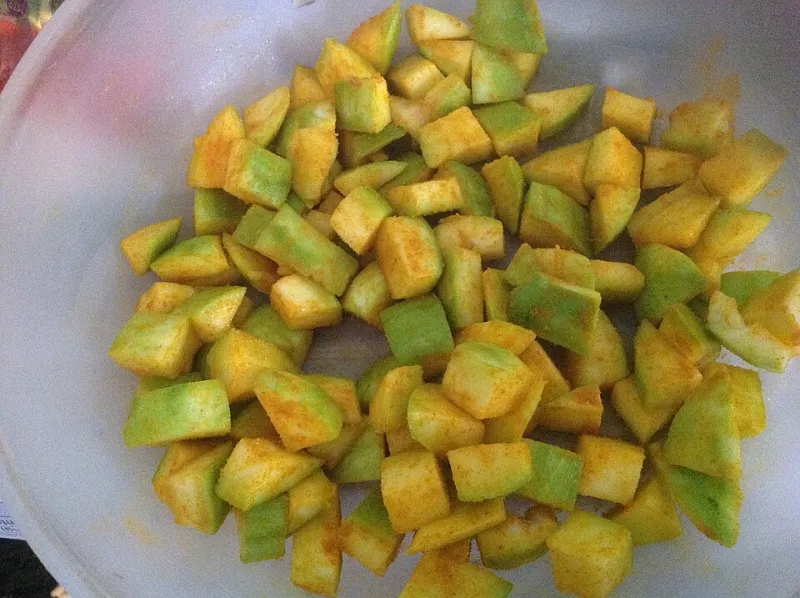
Photo: Shashank7200, CC BY-SA 4.0, via Wikimedia Commons
Let's be honest about Tuesday nights. You're tired. The kids are somewhere between hungry and feral. The fridge has rice, some leftover dal that might still be good, and a sad-looking cucumber. Dinner is technically possible but deeply uninspiring.
Now imagine opening your pantry and pulling out a jar of mango achaar — deep amber, oil-slicked, pungent with fenugreek and red chile — and watching it turn that bowl of plain rice into something people actually want to eat. No extra cooking. No delivery fee. Just a condiment that's been quietly doing this job in South Indian households for generations.
This is the argument for building your pantry around South Indian pickles and fermented accompaniments. It's not a niche suggestion. It's a weeknight survival strategy backed by centuries of kitchen wisdom and, as it turns out, a fair amount of modern nutritional science.
What We Mean When We Say "Achaar"
The word achaar (sometimes spelled achar) covers a broad family of pickles and preserved condiments found across South Asian cooking. In South Indian cuisine specifically, you're looking at a distinct category of bold, intensely flavored preparations that are meant to be eaten in small amounts alongside a larger meal.
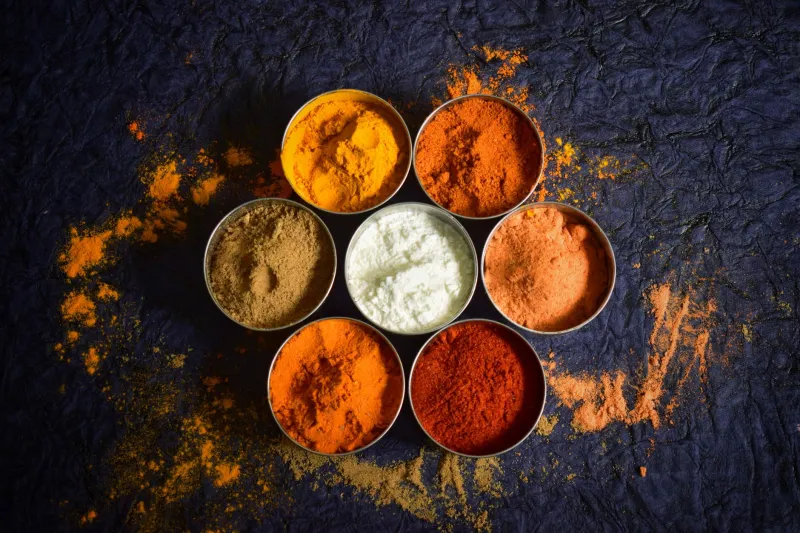
Mango achaar is probably the most well-known — raw green mango preserved in oil with mustard seeds, fenugreek, red chile powder, and salt. But that's just the beginning. Lemon achaar has a bright, sour punch that cuts through rich curries. Gongura (sorrel leaf) pickle is a staple in Andhra cooking, with an almost electric tartness. Garlic pickle, mixed vegetable pickle, tamarind-based chutneys — each one is its own flavor universe.
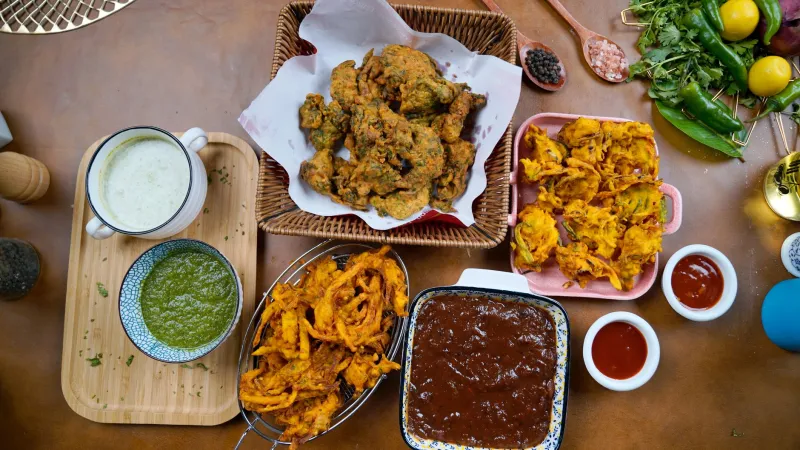
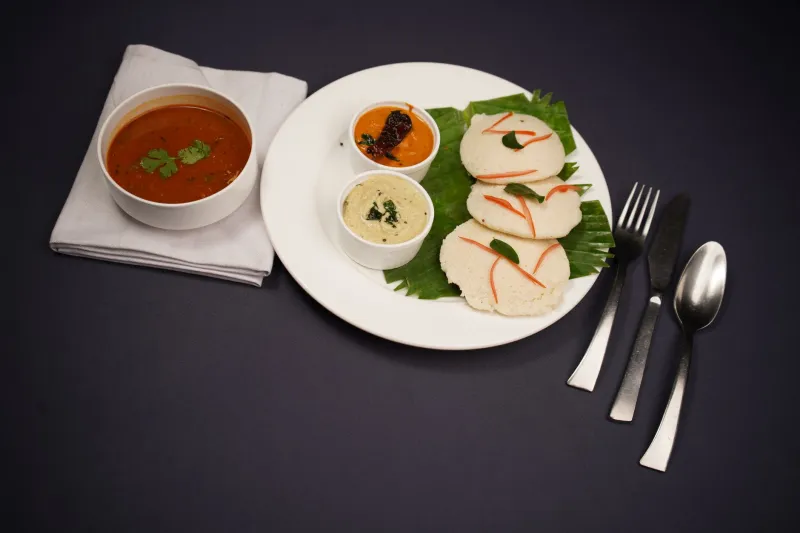
Then there are the fermented chutneys and accompaniments that don't always get called pickles but function the same way: coconut chutney that ferments slightly if left overnight, idli podi (a spiced powder mixed with oil) that keeps for months, and tamarind rice paste that can sit in the fridge for weeks and improve with age.
All of these are flavor concentrates. A teaspoon does the work of a whole sauce.
The Probiotic Angle (Which South Indian Cooking Figured Out Way Before the Kombucha Craze)
Here's where it gets interesting for the health-conscious American home cook. Many traditional South Indian pickles and fermented foods are genuinely probiotic — not because anyone designed them that way, but because lacto-fermentation is how preservation worked before refrigeration.
The brine in a properly made achaar, the fermented batter in idli and dosa, the slightly sour undertone in a well-aged tamarind chutney — these are all products of beneficial bacterial activity. The same microbial processes that make yogurt, kimchi, and sourdough good for your gut are at work here.
American consumers have spent the last decade paying premium prices for probiotic supplements and fancy fermented beverages. South Indian pantry staples have been delivering the same benefits as a side dish. The math on this is pretty favorable.
That said, it's worth noting that commercially produced pickles — especially shelf-stable versions with added preservatives — may not carry the same probiotic punch as traditionally fermented homemade versions. If gut health is your primary goal, look for pickles made with minimal ingredients, good oil, and no added sodium benzoate.
The Meal Prep Case for a Pickle-Stocked Pantry
Beyond the health angle, there's a purely practical argument here that should resonate with anyone who batch-cooks on Sundays or tries to get dinner on the table in under 30 minutes.
South Indian condiments are, by design, shelf-stable. A good mango achaar kept in a clean jar with enough oil covering the surface can last months at room temperature. Tamarind paste keeps for weeks in the fridge. Idli podi sits in a jar on the counter almost indefinitely. These are not delicate ingredients that expire on Thursday.
This means you can invest in building your condiment shelf once and draw from it constantly. A bowl of plain steamed rice becomes a meal with achaar and a drizzle of ghee. Leftover rotis get interesting when paired with coconut chutney. Even a simple scrambled egg situation gets elevated with a spoonful of gongura pickle on the side.
For busy families — especially those with kids who have strong opinions about dinner — having a rotation of bold, interesting condiments on hand is genuinely useful. It creates variety without requiring you to cook multiple dishes every night.
How to Start Building Your South Indian Condiment Shelf
If you're starting from zero, here's a practical starting lineup:
Mango achaar — The workhorse. Goes with rice, dal, parathas, plain yogurt, and honestly most things. Look for brands that use sesame oil or mustard oil as the base rather than generic vegetable oil.
Tamarind paste or concentrate — Not technically a pickle, but a foundational sour element that shows up in rasam, sambar, rice dishes, and chutneys. A small jar lasts forever.
Coconut chutney (fresh or jarred) — Fresh is always better, but a good jarred version is a reasonable pantry backup. Pairs with anything fried or steamed.
Idli podi — A dry spice powder made from roasted lentils, dried chiles, and sesame seeds. Mix with sesame oil or ghee and serve as a dip. It keeps for months and is wildly versatile.
Gongura or lemon pickle — For when you want something with a sharper, more complex edge than mango achaar.
All of these are available at Indian grocery stores across the US and increasingly through online retailers. At Srirangam Bhojnam, we incorporate these condiments into our meal pairings because they're not afterthoughts — they're the reason a simple plate of rice and dal becomes a complete, satisfying meal.
The Tradition Behind the Jar
It's easy to think of pickles as a convenience product — something you grab from a store shelf. But South Indian achaar has a deeper story. These preservation techniques developed out of necessity: seasonal fruits and vegetables needed to last through months when they weren't available fresh. The combination of salt, oil, acid, and spice wasn't arbitrary — it was engineered through generations of trial and error to create safe, shelf-stable food that also tasted extraordinary.
There's something worth appreciating in that lineage. When you open a jar of mango achaar, you're eating a recipe that predates modern food science by centuries. The people who developed it didn't have pH meters or controlled fermentation environments. They had knowledge, passed down carefully, about what worked and why.
For American families building new food traditions — or reconnecting with South Asian heritage — that history gives a jar of pickles a lot more weight than its modest price tag suggests.
So yes, stock the pantry. Your Tuesday nights will thank you.