Ancient Spices, Modern Science: How Turmeric, Asafoetida, and Fenugreek Became America's Hottest Wellness Ingredients
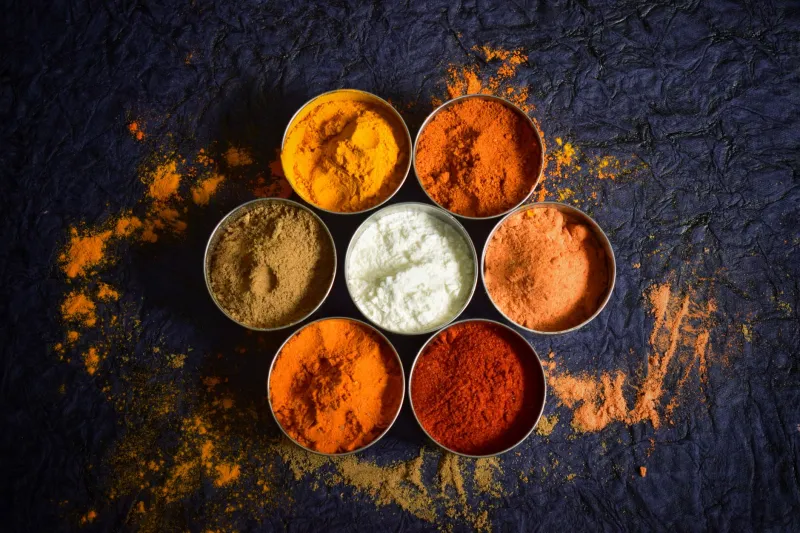
Walk into any Whole Foods or Sprouts these days and you'll find turmeric in capsules, drinks, face masks, and protein powders. But spend an evening in a South Indian kitchen — or order a thali from Srirangam Bhojnam — and you'll quickly realize that what the wellness industry is selling as a breakthrough, traditional cooks have been quietly stirring into their pots for thousands of years.
South Indian cuisine isn't just delicious. It's one of the most spice-rich culinary traditions on the planet, and the science is finally catching up to what Ayurvedic practitioners and home cooks in Tamil Nadu, Kerala, and Karnataka have always understood: these ingredients do more than add flavor. They work.
Turmeric: The Golden Standard
Let's start with the obvious one. Turmeric — or manjal as it's known in Tamil — shows up in nearly every South Indian dish, from rasam to sambar to rice preparations. The compound responsible for its vivid yellow color, curcumin, has been the subject of thousands of published studies over the past two decades.
Researchers at institutions including the University of California and the Mayo Clinic have explored curcumin's potential anti-inflammatory and antioxidant properties. A 2021 review published in the journal Nutrients highlighted curcumin's role in supporting joint health and reducing oxidative stress markers — findings that align closely with what Ayurvedic medicine has described for centuries.
"Turmeric in South Indian cooking isn't decorative — it's functional," explains Dr. Priya Nair, an integrative nutritionist based in Austin, Texas, who works with clients managing chronic inflammation. "The way it's combined with black pepper and healthy fats in traditional recipes actually enhances bioavailability significantly. You're getting more out of it than you would from a supplement alone."
This is a key point. South Indian cooking often pairs turmeric with black pepper (which contains piperine, a compound shown to increase curcumin absorption by up to 2,000%) and with ghee or coconut oil. That's not a coincidence — it's centuries of refined food wisdom.
Asafoetida: The Stinky Spice With a Surprising Résumé
If turmeric is the celebrity of the South Indian spice rack, asafoetida — called hing or perungayam — is the unsung MVP. It's pungent, polarizing, and absolutely essential to dishes like dal tadka, rasam, and lentil-based curries. And it's increasingly turning heads in the American wellness world.
Asafoetida is a dried resin derived from the Ferula plant, and it's been used in Indian medicine as a digestive aid for generations. Western research is beginning to validate this reputation. Studies have pointed to its potential as an antispasmodic, suggesting it may help relieve bloating, gas, and irritable bowel symptoms — which might explain why South Indian food, despite being rich in lentils and legumes, tends to sit so comfortably in the stomach.
"A lot of my clients who switch to more South Indian-style eating report a noticeable improvement in their digestion," says Meena Raghavan, a certified Ayurvedic practitioner based in the San Francisco Bay Area. "Hing is a big part of that. It's also traditionally used as a nervine — something that calms the nervous system — which is relevant for the stress levels most Americans are dealing with."
For the uninitiated, the smell of raw asafoetida can be off-putting. But here's the thing: when it hits hot oil in a tadka, something almost magical happens. The sharp, sulfurous edge mellows into something savory and deeply umami. It's a transformation that mirrors the broader story of South Indian spices — intense and misunderstood until you actually experience them in context.
Fenugreek: Bitter, Bold, and Backed by Research
Fenugreek seeds — methi — are another cornerstone of South Indian cooking that's getting renewed attention. You'll find them in spice blends, pickles, dosa batters, and chutneys. They're slightly bitter, slightly nutty, and loaded with soluble fiber.
Recent clinical research has explored fenugreek's potential to support blood sugar regulation and improve insulin sensitivity — properties that make it particularly relevant given the rising rates of Type 2 diabetes in the United States. A study published in the International Journal for Vitamin and Nutrition Research found that participants who consumed fenugreek seed powder showed improved glycemic control compared to a control group.
Fenugreek also contains compounds that may support healthy cholesterol levels and has traditionally been used to support lactation in new mothers — a use that's gained considerable traction in American wellness communities and mommy blogs alike.
How Traditional Cooking Methods Make the Difference
One thing that separates South Indian cuisine from simply popping a curcumin supplement is the method. Tempering spices in oil or ghee — a technique called tadka or thalippu — isn't just about flavor development. The heat activates fat-soluble compounds and transforms the chemical profiles of spices in ways that can enhance their bioavailability.
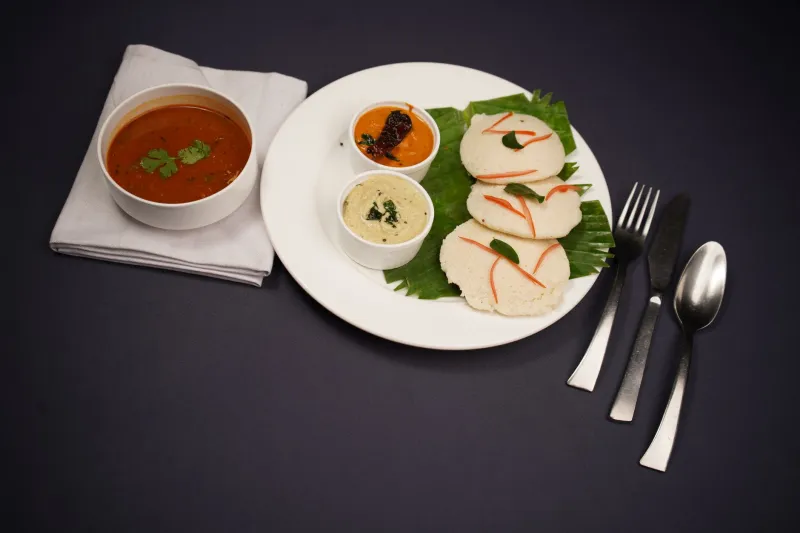
Slow cooking, fermenting (as with dosa and idli batters), and layering spices at different stages of cooking all contribute to a final dish that's nutritionally more complex than the sum of its parts. "There's a reason these food traditions survived and thrived for millennia," Dr. Nair notes. "They weren't just tasty — they kept people healthy."
Bringing It to Your Table
You don't need to become an Ayurvedic scholar to start benefiting from South Indian spice traditions. Ordering from a restaurant like Srirangam Bhojnam means you're already getting dishes where these ingredients are used the way they're meant to be — in the right combinations, cooked the right way, with the right proportions.
A bowl of rasam isn't just comfort food. It's turmeric, black pepper, and tamarind working together in a way that's been refined over generations. A lentil dal isn't just filling — it's asafoetida and fenugreek doing their quiet, effective work.
Wellness trends come and go. But South Indian cooking has been delivering these benefits long before they showed up on a supplement label. Sometimes the most sophisticated nutrition looks a lot like your grandmother's recipe.