Whole Spice, Whole Game: How South Indian Pantry Logic Is Turning American Home Cooks Into True Believers
Something is happening in American kitchens, and it smells incredible.
It starts small, usually. A home cook in Portland or Charlotte or suburban New Jersey wanders into a local Indian grocery store — maybe on a whim, maybe because a friend dragged them there — and walks out with a bag of whole black mustard seeds, a bundle of fresh curry leaves, and a block of tamarind that looks nothing like the watery paste they've been buying at Whole Foods. They go home, bloom those mustard seeds in hot oil, and hear that unmistakable pop and crackle. The kitchen fills with something they can't quite name. And just like that, they're gone. There's no going back.
This is the South Indian spice drawer revolution, and it's happening quietly but decisively across the United States.
The Problem With That Jar of "Italian Seasoning"
Let's be honest about American supermarket spices for a second. Most of us have a cabinet full of pre-ground blends that have been sitting there since the last administration. Ground cumin that smells vaguely of cardboard. Paprika that's more of a memory than a flavor. A "taco seasoning" packet that contains more anti-caking agents than actual spice.
The issue isn't just staleness, though that's a real problem. Pre-ground spices begin losing their volatile aromatic compounds — the stuff that actually makes your food taste like something — within weeks of being ground. By the time that jar travels from a factory floor to a distribution center to a supermarket shelf to your cabinet, you're essentially cooking with spice-scented dust.
South Indian cooking, which has been working with a vast and sophisticated spice vocabulary for thousands of years, operates on a completely different philosophy. Whole spices are bought frequently, stored carefully, and ground or tempered fresh as needed. The difference in the final dish isn't subtle. It's seismic.
What "Tempering" Actually Means — And Why It Changes Everything
One of the first things you learn when you start cooking South Indian food seriously is the concept of the tadka, or tempering. This is the practice of blooming whole spices in hot oil or ghee at the start (or sometimes finish) of cooking — letting the heat coax out the essential oils locked inside each seed or pod.
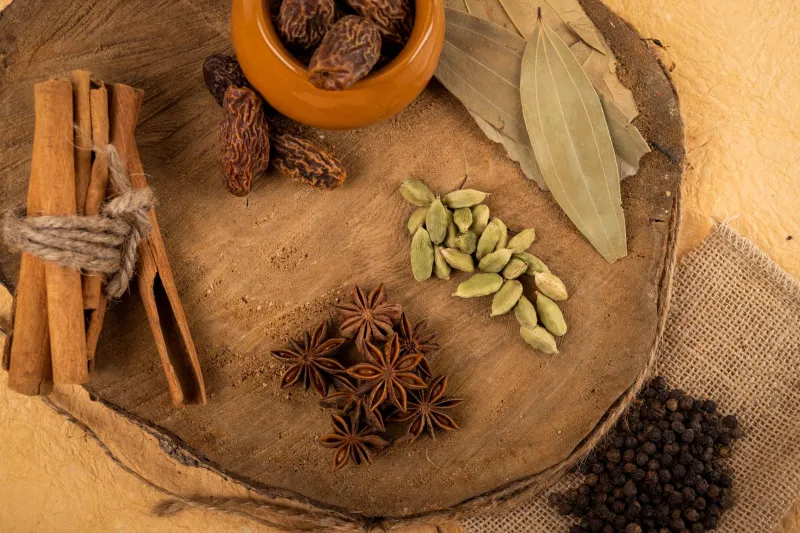
Whole mustard seeds, cumin, dried red chilies, curry leaves, asafoetida — these aren't just flavor additions. They're the entire aromatic foundation of the dish. And they only work at their full potential when they're whole and fresh.
Megan, a home cook in Austin who started experimenting with South Indian recipes about two years ago, describes her first real tadka as "genuinely shocking." "I'd been using ground mustard powder my whole life," she says. "When I finally used whole mustard seeds in hot oil and they started popping, the smell was completely different. More alive somehow. My husband came running in from the other room asking what I was making."
That aliveness is the point. It's the whole argument for the South Indian approach to spice.
Where American Cooks Are Actually Finding This Stuff
So where do you source whole spices the South Indian way when you're not living near a major Indian grocery hub? The good news is that it's genuinely easier than it's ever been.
Local Indian and South Asian grocery stores remain the gold standard. If you're lucky enough to have one nearby, go there first. You'll find whole spices sold in larger quantities at a fraction of the supermarket price, and the turnover is high enough that freshness is rarely an issue. Look for stores that stock a dedicated South Indian section — you'll know you're in the right place when you spot fresh curry leaves in the produce section and multiple varieties of dried red chilies.
Online specialty retailers have become a genuine game-changer for cooks in less urban areas. Stores like iShopIndian, Patel Brothers' online store, and a growing number of regional South Indian specialty suppliers now ship nationwide. The ability to order whole spices like kalpasi (stone flower), marathi mokku (dried flower pods), or fresh-ground idiyappam flour directly to your door in Iowa or Montana has genuinely democratized South Indian cooking in America.
Farmers markets in cities with large South Asian communities — think the Bay Area, Chicago's Devon Avenue corridor, New Jersey's Edison stretch — sometimes feature vendors selling fresh curry leaves, raw tamarind, and other hard-to-find ingredients that even good Indian grocery stores don't always carry.
Raj, a software engineer in Seattle who grew up eating his grandmother's cooking in Chennai, has become an unofficial guide for his non-Indian coworkers navigating spice sourcing. "I tell them: find your nearest Indian grocery store first. Go once. Just walk around. You'll spend maybe fifteen dollars and come home with enough spices to last six months and cook better than you ever have."
The Freshness Factor: A Practical Guide
Buying whole spices is only half the equation. Storing and using them correctly is where most American home cooks need a little recalibration.
A few principles worth internalizing:
-
Buy in smaller quantities more often. The South Indian approach isn't about stocking up for a year. It's about keeping a rotating supply of fresh product. A quarter pound of whole coriander seeds used within three months will outperform a pound bought and forgotten.
-
Invest in a dedicated spice grinder. A basic electric coffee grinder kept exclusively for spices costs around twenty dollars and will change your cooking life. Grind small batches as needed — whole cumin ground fresh for a dish tastes nothing like the pre-ground version.
-
Store away from heat and light. This sounds obvious, but most American kitchens store spices directly above or beside the stove. Cool, dark, and dry is the goal.
-
Learn the difference between spices that need toasting and those that don't. Whole coriander and cumin benefit enormously from a dry toast in a pan before grinding. Fenugreek seeds get bitter if over-toasted. These distinctions matter, and learning them is part of the pleasure.
A Shift That's About More Than Just Flavor
There's something deeper happening in this spice drawer revolution that goes beyond cooking results. American home cooks who go down this path consistently describe a shift in their relationship to cooking itself — from something transactional to something more engaged and intentional.
When you're sourcing whole spices, learning to temper them, grinding your own blends, and tasting the difference in your food, cooking stops being a chore and starts being something closer to a craft. South Indian culinary tradition, which has been doing exactly this for generations, turns out to be a remarkably effective teacher.
At Srirangam Bhojnam, we see this shift every day — in the questions customers ask, in the ingredients they're curious about, in the growing appetite for food that tastes genuinely alive. The spice drawer revolution isn't a trend. It's a correction. And it's long overdue.