Coconut Is Not Optional: The Ingredient That Holds South Indian Cooking Together — and What Happens When It's Not There
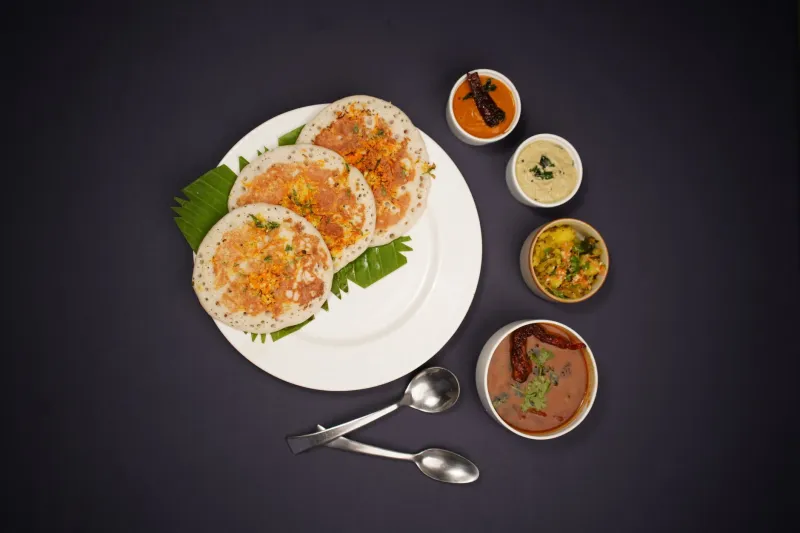
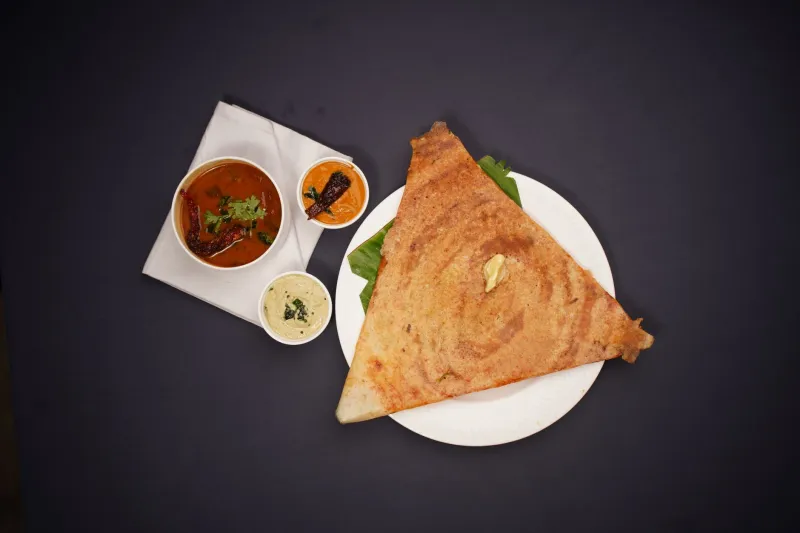
Walk into any South Indian kitchen — whether it's in Chennai, Coimbatore, or a two-bedroom apartment in Sunnyvale — and you'll find coconut in some form within arm's reach. Shredded in a steel dabba. Pressed into oil sitting beside the stove. Blended into a chutney that's already waiting for the dosas to hit the griddle. It's not a garnish. It's not a finishing touch. It's structural.
And yet, every week, people across the US ask some version of the same question: Can I make this without coconut? Sometimes it's an allergy. Sometimes it's a preference. Sometimes it's just that the store was out of coconut milk and they're trying to make do. The answer, if we're being honest, is complicated.
Where Coconut Actually Shows Up (Hint: Everywhere)
The mistake most people make is thinking coconut is just one thing in South Indian food. It isn't. It shows up in at least four or five distinct forms, each doing a completely different job.
Coconut oil is the fat of choice across Kerala and much of Tamil Nadu. It has a higher smoke point than butter, a subtle sweetness that plays beautifully against mustard seeds and curry leaves during tempering, and a flavor that's unmistakably itself. Swap it for vegetable oil and the dish will cook fine. It just won't taste the same.
Fresh grated coconut turns up in chutneys, rice dishes, dry vegetable preparations like aviyal and thoran, and as a finishing element on everything from kozhukattai to pongal. It adds texture and a mild richness that can't really be replicated with anything else.
Coconut milk — both thick and thin — is the liquid base of most Kerala curries. Fish molee, vegetable stew, kadala curry. The creaminess it provides isn't just about fat content; it's about how it interacts with the spices, softening the heat and creating that characteristic gentle, almost floral richness.
Coconut cream shows up in desserts and some richer gravies, adding body and depth.
Desiccated coconut is less traditional but pops up in modern interpretations and diaspora cooking.
Each of these forms has a specific role. Removing any one of them isn't a minor edit — it's a structural change.
The Cultural Weight Behind the Ingredient
In South India, the coconut palm is called kalpavriksha — the wish-fulfilling tree. That's not hyperbole. Every part of the plant has a use: the leaves for thatching, the shells for fuel, the water for hydration, the husk for coir. The fruit itself feeds families across generations. Coconut trees line temple courtyards. Whole coconuts are broken as offerings. There's a reason coconut shows up at the beginning of almost every auspicious occasion in Tamil and Malayali culture — it's considered pure, abundant, and complete.
When you cook a dish the traditional way, using coconut oil and fresh coconut, you're not just following a recipe. You're working within a culinary logic that's been refined over centuries in a specific geography, with specific ingredients, for specific reasons. The food makes sense with coconut in it. Without it, something is genuinely missing — not just in flavor, but in meaning.
That might sound dramatic for a Tuesday night dinner. But it's worth understanding, especially if you're ordering from a South Indian restaurant and wondering why the version you got tastes different from what your colleague's mom makes at home.
When Coconut Becomes a Problem
Tree nut allergies are among the most common food allergies in the US, and while coconut is technically classified as a tree nut by the FDA, it's botanically a fruit — which means reactions vary widely from person to person. Some people with tree nut allergies tolerate coconut without any issue. Others react severely. It's one of those situations where the label doesn't tell the whole story, and checking with a doctor before experimenting is genuinely important.
Beyond allergies, some people simply don't like the flavor of coconut — particularly coconut oil, which has a more pronounced taste than refined versions. Others are navigating low-fat diets or avoiding saturated fat. All of these are real, valid reasons to need a workaround.
Here's where it gets tricky: South Indian food doesn't have a built-in coconut-free tradition the way, say, North Indian food does. The cuisine evolved with coconut as a core component. There's no ancient regional variation where cooks swapped it out for cashew cream and called it a day. Substitutions are modern improvisations, not traditional alternatives.
What Actually Works (and What Doesn't)
That said, some substitutions are better than others.
For coconut oil, refined coconut oil is the easiest swap — it has the same properties without the strong flavor. If coconut is completely off the table, ghee works well for tempering in many dishes and adds its own richness, though the flavor profile shifts toward North Indian territory. Neutral oils like avocado or sunflower work functionally but don't add anything.
For coconut milk in curries, cashew cream is the most popular substitute in restaurant kitchens — it's rich, creamy, and relatively neutral. Oat milk can work in a pinch for lighter preparations but tends to get watery under heat. None of these replicate the specific flavor of coconut milk, but cashew cream comes closest in terms of mouthfeel.
For fresh grated coconut in chutneys, this is genuinely the hardest one. The texture and flavor of freshly grated coconut in a green chutney or a coconut-coriander blend is very specific. Roasted cashews can bulk up the texture, and a small amount of macadamia nut can approximate the mild sweetness, but the result is a different chutney — not a coconut chutney with a substitution.
For coconut in dry vegetable dishes like thoran or poriyal, finely chopped roasted peanuts or sesame seeds can add texture, but they change the dish's character significantly.
Ordering Smart When You're Navigating Restrictions
If you're ordering South Indian food from a restaurant and you have a coconut allergy or strong preference, the most important thing you can do is ask directly and specifically. Don't assume that because a dish is labeled vegetarian or vegan that it's coconut-free — it almost certainly isn't. Good South Indian restaurants will tell you what's in a dish and often accommodate requests, but they need to know what you're working around.
At Srirangam Bhojnam, we take allergen questions seriously. If you're navigating a restriction, reach out before you order. We'd rather walk you through what works for your situation than have you end up with something that doesn't.
Authenticity Isn't About Rigidity
Here's the nuance worth sitting with: authenticity in cooking doesn't mean refusing to adapt. It means understanding why an ingredient is there before you decide whether to remove it. Coconut is in South Indian food for good reasons — flavor, texture, cultural continuity, and centuries of culinary wisdom. When you substitute it, you're not making a lesser version of the dish; you're making a different dish. That's okay. But calling it the same thing does a disservice to the original.
The best approach, whether you're cooking at home or ordering in, is honesty. Know what you're working with, know what you're giving up, and enjoy the dish for what it is — coconut or not.