Steamed, Simple, and Suddenly Everywhere: How Idli Became the Gym Bag Staple Nobody Saw Coming

Photo by Photo by prabhakaran sambandam on Unsplash on Unsplash
If you'd told someone at a Brooklyn fitness studio five years ago that their post-workout meal would one day be a fermented rice-and-lentil cake from Tamil Nadu, they probably would've laughed. But walk into the right gym circle today, and you'll find idli showing up in meal prep containers, macro-tracking spreadsheets, and Instagram reels right alongside chicken breast and overnight oats.
Something genuinely interesting is happening with this ancient South Indian staple — and it goes way beyond a passing food trend.
What Even Is Idli?
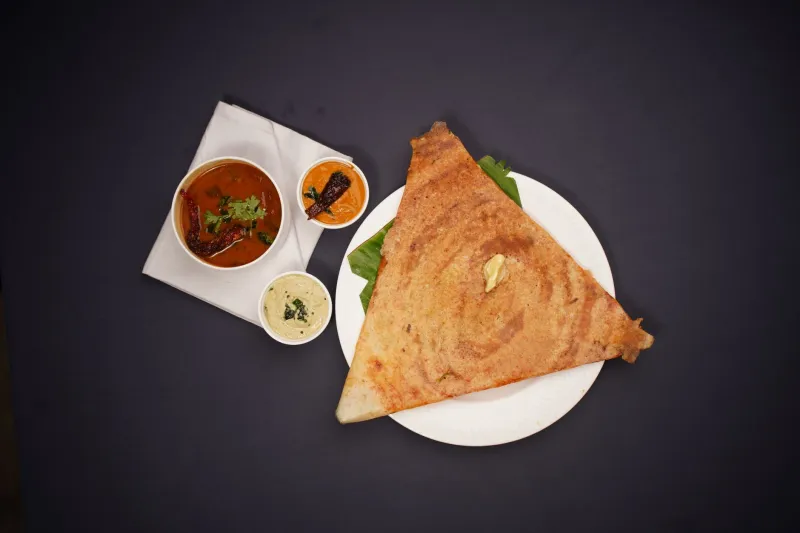
For the uninitiated: idli is a soft, round, steamed cake made from a batter of fermented black lentils (urad dal) and parboiled rice. It's been eaten across South India — particularly in Tamil Nadu, Karnataka, Andhra Pradesh, and Kerala — for well over a thousand years. Traditionally served at breakfast with sambar and coconut chutney, it's light, filling, and almost aggressively simple in its ingredients.
No oil. No frying. No added sugar. Just fermented batter, steam, and time.
That simplicity is exactly what's catching the attention of a very specific kind of American eater right now.
The Macros Don't Lie
Nutritionist Priya Anand, who runs a wellness practice in the Bay Area and works with a significant number of South Asian-American clients, says she's been recommending idli to non-Indian clients for the past couple of years — and the response has been overwhelmingly positive.
"People come in wanting something that's easy to digest, low in fat, and not going to spike their blood sugar the way a bagel or a bowl of cereal does," she explains. "When I tell them two idlis with sambar give them a solid mix of complex carbs, plant-based protein, and probiotics from the fermentation, they're genuinely surprised. It doesn't fit the mental image they have of 'Indian food.'"
She makes a fair point. American perceptions of Indian cuisine often skew toward the rich, cream-heavy dishes of North Indian restaurant menus. South Indian food — and idli in particular — operates in an almost entirely different register.
A typical serving of two medium idlis clocks in at roughly 130–150 calories, 3–4 grams of protein, and a very modest fat content. Pair them with sambar (which adds more lentil-based protein and a hit of tamarind and tomato) and you've got a breakfast that's genuinely hard to beat on a per-calorie nutritional basis.
The Fermentation Factor
Here's where it gets really interesting for the gut-health crowd, which has exploded in the US over the past several years.
The idli batter fermentation process — typically an overnight rest that allows natural wild yeasts and bacteria to do their work — produces lactic acid bacteria, the same class of beneficial microbes found in yogurt and kimchi. This fermentation not only makes the batter rise and gives idli its characteristic slight tang, but it also breaks down phytic acid in the lentils and rice, making the nutrients significantly more bioavailable.
In plain terms: your body absorbs more of what's in idli than it would from unfermented versions of the same ingredients. For fitness enthusiasts who are obsessive about getting the most out of every meal, that detail matters.
Rachel Torres, a certified personal trainer in Austin who started eating idli after her Indian-American college roommate introduced her to it, puts it simply: "My digestion is just better on the days I eat it. I don't feel heavy going into a workout. It's like the ideal pre-gym carb."
The Meal Prep Angle
One underrated reason idli is resonating with busy Americans is how well it fits into a meal prep routine. The batter can be made in bulk and refrigerated for up to a week. The idlis themselves steam in about 10–12 minutes and reheat easily. They're portable, they don't smell up a shared office refrigerator, and they pair with basically anything.
Fitness influencers on YouTube and Instagram have started documenting their own idli meal prep routines, sometimes keeping the traditional sambar and chutney accompaniments, and sometimes going in unexpected directions — topping idlis with avocado, serving them alongside a fried egg, or dunking them in a spiced lentil soup that's barely distinguishable from the original sambar recipe anyway.
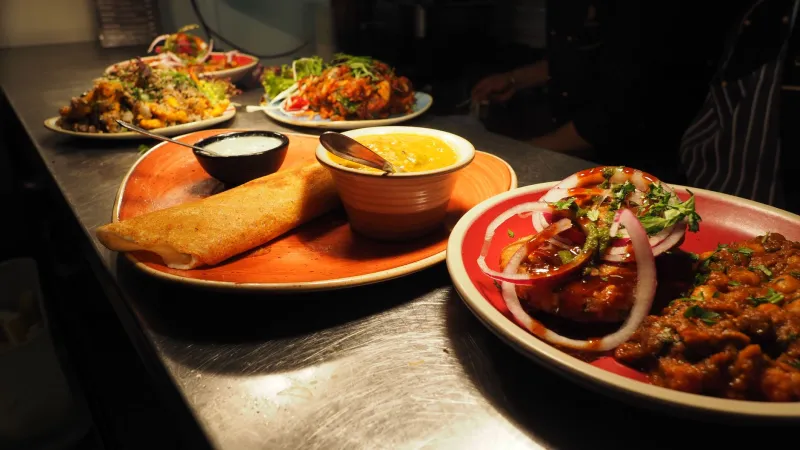
At Srirangam Bhojnam, we've seen a genuine uptick in customers ordering idli specifically for weekday meal delivery — people who want a reliable, light, high-quality breakfast option that they didn't have to cook themselves.
What the Indian-American Community Thinks
Reactions within South Indian-American communities are mixed, in the most affectionate way possible.
Many feel a quiet pride watching a food that was sometimes dismissed as "too plain" or "too ethnic" by mainstream American culture suddenly get celebrated for the very qualities that made it special all along. Others joke that their mothers have been telling them idli was the perfect food for decades, and it just took a fitness influencer with 200,000 followers to make it official.
Chennai-born home cook Meenakshi Rajan, who lives outside Chicago and runs a small catering operation, laughs about it: "My kids used to complain when I made idli for breakfast. Now my son sends me TikToks of Americans eating idli and tells me I was ahead of my time. I've been ahead of my time for 30 years!"
The Bigger Picture
What the idli moment really illustrates is something worth paying attention to: the slow, steady mainstreaming of South Indian food in America isn't just about restaurants expanding their menus or delivery apps adding more options. It's about a genuine curiosity from American eaters who are looking beyond their usual breakfast rotation and finding something that actually works for their bodies and their schedules.
Idli isn't trendy because someone rebranded it. It's trending because it's genuinely, quietly excellent — and it always has been.
The South Indian grandmothers who've been steaming these little cakes before sunrise for generations knew something the wellness industry is only now catching up to. Sometimes the most sophisticated nutritional choice is also the most ancient one.