How Sambar Wins Over Every Skeptic Who Tries It: The South Indian Dish America Didn't Know It Needed

Photo by Photo by Ryan Concepcion on Unsplash on Unsplash
There's a pretty common story among people who try South Indian food for the first time. They show up a little uncertain. Maybe a friend dragged them along. Maybe they took a chance on a delivery order. They poke at the idli, they squint at the chutney, and then someone slides a small bowl of sambar their way. One dip, one sip — and something shifts. By the end of the meal, they're asking if they can take the rest of the sambar home.
This happens constantly. And it's not a coincidence.
Sambar is, quietly and without much fanfare, one of the most strategically perfect dishes for converting an unfamiliar palate. It doesn't assault you. It doesn't ask you to abandon everything you already love about food. Instead, it meets you somewhere familiar — and then takes you somewhere you didn't expect to go.
So What Exactly Is Sambar?
At its core, sambar is a lentil-based vegetable stew that forms the backbone of South Indian cooking. It shows up at breakfast alongside idli and dosa, anchors a traditional lunch thali, and even makes a late-night appearance at Tamil Nadu's legendary tiffin spots. In other words, it's not a side dish or an afterthought — it's a foundation.
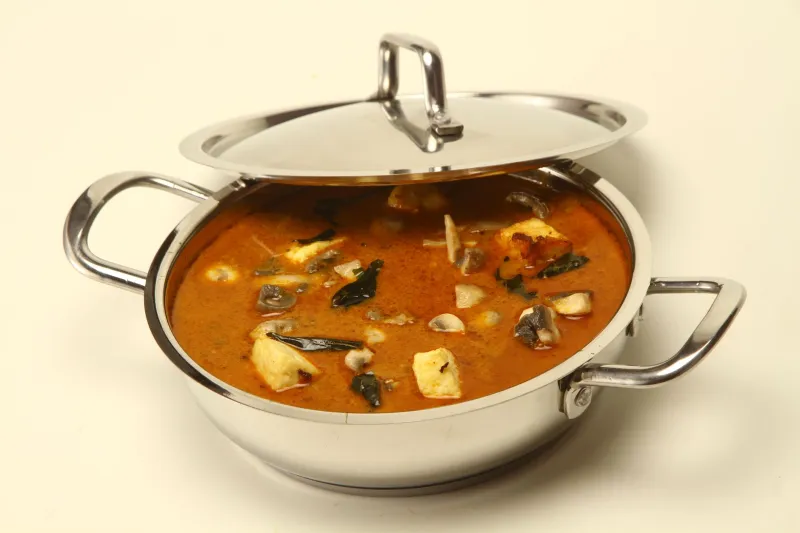
The base is typically toor dal (split pigeon peas), cooked until soft and then combined with tamarind water, tomatoes, and a rotating cast of vegetables that changes by season, region, and family tradition. Drumstick, eggplant, pearl onions, radish, pumpkin — the vegetable choices alone tell you something about where a sambar comes from. Then comes the sambar powder, a spice blend that varies so dramatically from kitchen to kitchen that two people can eat sambar every day of their lives and still encounter versions that surprise them.
Finally, there's the tempering — a hot pour of oil carrying mustard seeds, curry leaves, dried red chili, and asafoetida — that gets stirred in at the end and does something almost alchemical to the whole pot.
Why American Palates Respond So Well to It
Here's where it gets interesting from a flavor science perspective. American food culture — broadly speaking — is built around a few dominant taste profiles: salty, savory, sweet, and rich. What it tends to underutilize is sourness as a structural flavor rather than a finishing note. We squeeze lemon on things. We add a splash of vinegar to a sauce. But we rarely build a dish around acidity the way South Indian cooking does.
Sambar does exactly that. Tamarind provides a deep, fruity sourness that isn't sharp or aggressive — it's rounded, almost molasses-like, and it acts as a kind of flavor anchor. That tanginess keeps the dish from ever feeling heavy, even when the lentils are rich and the spices are complex. It's why you can eat a generous bowl of sambar and walk away feeling satisfied rather than weighed down.
Then there's the umami dimension. Cooked toor dal has a natural earthiness that functions a lot like a slow-simmered meat stock — it creates body and depth without actually being heavy. Combine that with the tomatoes, the caramelized onions, and the toasted spices, and you've got a dish that registers as deeply savory in a way that feels instinctively satisfying to anyone raised on American comfort food.
And the heat? It's present, but it's not the point. Unlike dishes where chile heat is the dominant experience, sambar uses warmth as one note in a larger chord. It's there. You feel it. But it never drowns out the tang or the earthiness or the fragrance of the curry leaves.
The Regional Variations Are Half the Fun
One of the most underrated things about sambar is how dramatically it shifts depending on where in South India it comes from. Tamil Nadu sambar tends to be bolder and spicier, with a more assertive tamarind presence. Karnataka's version often leans sweeter, sometimes with a touch of jaggery. Kerala sambars frequently incorporate coconut, giving them a creamier, more mellow character. Andhra Pradesh takes the heat dial and turns it up considerably.
For American diners, this regional variation is genuinely exciting — especially at a time when people are more curious than ever about the specificity behind cuisines they previously experienced as monolithic. The same way craft beer culture taught Americans to care about the difference between a West Coast IPA and a New England hazy, South Indian food is starting to teach people that "Indian food" is not a single thing. Sambar is a perfect entry point for that education because the differences are perceptible and interesting without being alienating.
The Gateway Effect Is Real
Food professionals and longtime South Indian food enthusiasts will tell you the same thing: get someone to genuinely enjoy sambar, and the rest of the menu opens up almost automatically. Once your palate has learned to appreciate that particular balance of tang, warmth, and earthiness, the logic of South Indian cooking starts to make sense in a visceral way. You start to understand why rasam exists, why chutneys are built the way they are, why fermented batters and spiced lentils show up at breakfast.
It's not unlike how a great bowl of ramen can reframe an entire relationship with Japanese cuisine, or how a perfectly executed taco can make someone suddenly want to understand every regional variation Mexico has to offer. Sambar functions as that kind of gateway — the dish that makes the whole cuisine click.
How to Actually Experience It Right
If you're ordering South Indian food for the first time — or introducing a friend to it — sambar deserves more than a polite dip of the idli. Give it its due. Pour some over rice and eat it as a standalone dish. Drink a small cup of it between bites the way South Indian families often do. Let the temperature and the aroma do their work.
At Srirangam Bhojnam, we take sambar seriously in exactly the way it deserves. Our version follows a traditional recipe that doesn't cut corners on the tamarind, doesn't skimp on the tempering, and uses a sambar powder that's been dialed in over time to hit that specific balance of warmth and depth that keeps people coming back.
The skeptics always come around. They just need one bowl.