Steel Containers and Slow Mornings: How South Indian Tiffin Culture Is Quietly Changing the American Workday
The Lunch Break Has a New Look
For most American workers, lunch is an afterthought. A granola bar at 11:30. A sad Caesar salad from the café downstairs. Maybe a Chipotle burrito bowl if the line isn't too long. It's functional, forgettable, and rarely something anyone looks forward to.
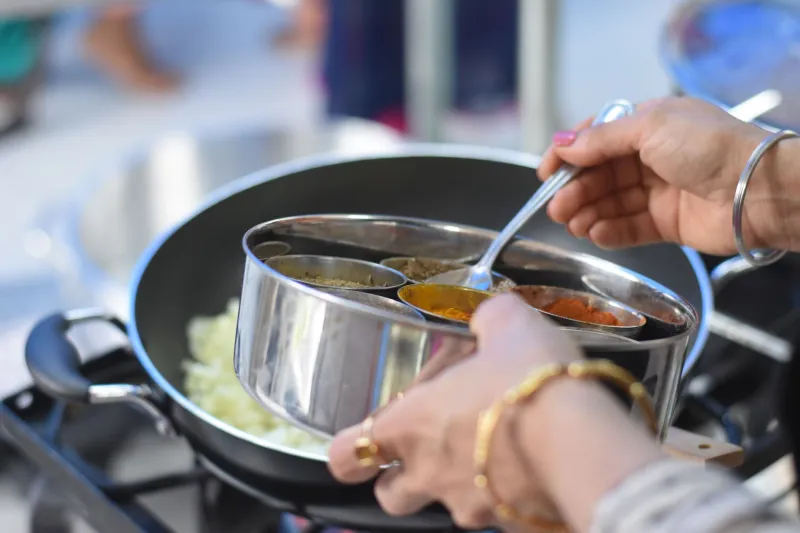
But walk into certain break rooms in tech corridors in San Jose, medical campuses in Houston, or university offices in Chicago, and you might spot something different: a gleaming stacked steel container, still warm, releasing the faint perfume of mustard seeds, curry leaves, and tamarind. Someone brought their tiffin to work — and if the reactions of their colleagues are any indication, they might have just made everyone else's lunch feel a little inadequate.
This is the quiet, delicious revolution of South Indian tiffin culture arriving in the American office.
What Even Is a Tiffin?
The word "tiffin" has British colonial roots — it was a light midday meal — but in South India, it evolved into something far more personal. A tiffin carrier is a set of stackable steel containers, each holding a different component of a meal: rice in one tier, sambar or rasam in another, a dry vegetable preparation in the third, maybe a small chutney or pickle tucked in at the side.
The genius of the format is that everything travels separately but arrives as a cohesive meal. Nothing gets soggy. Nothing loses its identity. You assemble it the way you want, and it tastes almost exactly like it did when it came off the stove.
For South Indian families, packing a tiffin isn't just a practical habit — it's a form of care. A parent packing a child's lunch, a spouse sending a partner off with something homemade, a grandmother's recipe showing up in a steel container on a Tuesday afternoon. The food carries memory, identity, and a kind of quiet love that no Seamless order can replicate.
Why American Offices Are Starting to Notice
The shift didn't happen overnight. For years, South Indian professionals in the US packed their tiffins somewhat under the radar — a private ritual that happened to take place in a shared space. But a few things have converged to push it into the open.
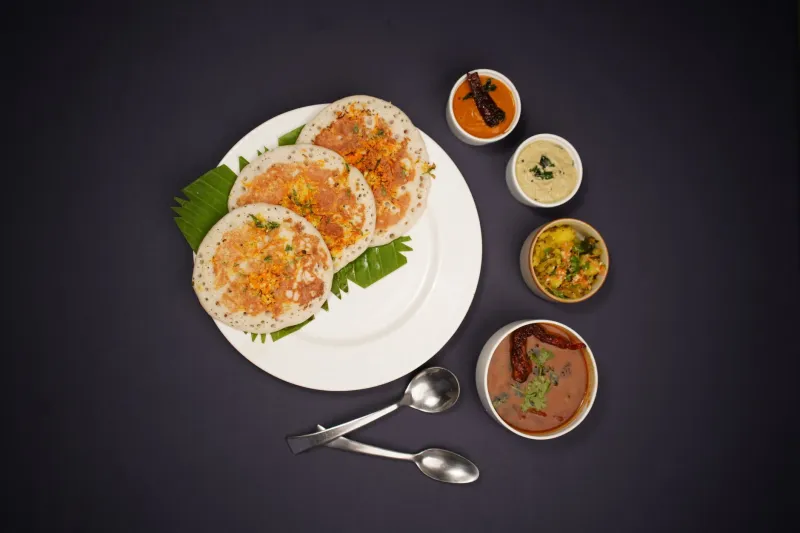
First, there's the growing cultural visibility of South Indian food itself. As more Americans discover dosa, idli, and sambar through restaurants and food delivery services like Srirangam Bhojnam, the cuisine is no longer unfamiliar. A coworker asking "what is that?" at the microwave is now as likely to follow up with "where can I get some?" as they are to wrinkle their nose.
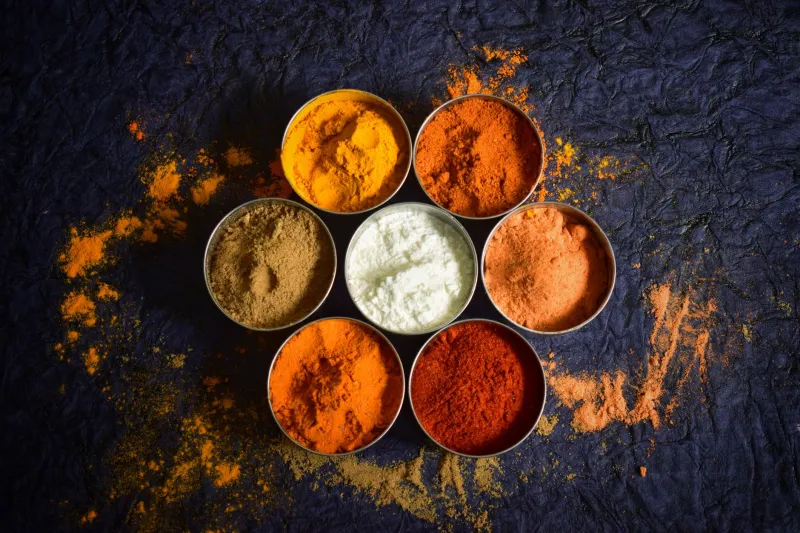
Second, the wellness conversation has caught up with what South Indian home cooks have known for generations. Lentil-based sambar loaded with vegetables. Fermented idli batter that's genuinely good for your gut. Tempering with spices — turmeric, asafoetida, fenugreek — that have real functional benefits. When the office health-conscious crowd starts reading the ingredient list, they're impressed.
And third — honestly — people are just tired of spending fifteen dollars on lunch that doesn't even taste good.
The Sustainability Angle Nobody's Talking About Enough
Here's something worth sitting with: the traditional South Indian tiffin system is one of the most sustainable food delivery formats ever invented, and it predates every trendy "zero waste" lunch box brand by about a century.
Steel tiffin carriers are durable, reusable, and don't leach anything into your food. They don't require plastic wrap or disposable containers. They keep food at temperature without needing an ice pack. And they're designed to be washed and used again, indefinitely.
In an era where American workers are increasingly aware of the environmental cost of single-use packaging — and where cities like San Francisco and New York are actively legislating against it — the tiffin looks less like a cultural artifact and more like a genuinely smart design solution.
Some workplaces in the Bay Area have even started informal "tiffin clubs" where employees take turns packing extra portions to share, rotating through different regional cuisines. South Indian meals, with their built-in variety across tiers, tend to be crowd favorites.
Real People, Real Break Rooms
Take Priya, a software engineer in Seattle who's been bringing her tiffin to work for three years. What started as a way to eat the food she actually craved — not a watered-down approximation from the nearest "Indian" restaurant — turned into something she didn't expect: a conversation starter that's become a genuine part of her professional relationships.
"People started asking me about the food, and then about where I was from, and then about my family's recipes," she says. "My tiffin basically introduced me to half my team in a way that calendar invites never could."
Or consider Marcus, a non-Indian project manager in Atlanta who started ordering from a South Indian delivery service after his colleague shared some rice and sambar one afternoon. He now has his own stainless steel tiffin carrier and packs lunch three days a week — a habit he credits with saving him around $200 a month and helping him actually look forward to the midday break.
"I never thought I'd be the guy meal-prepping South Indian food," he laughs. "But here we are."
Bridging Two Worlds, One Container at a Time
For many Indian-American professionals, the tiffin is more than a lunch strategy. It's a way of holding onto cultural identity inside an environment that can feel relentlessly homogenizing. Bringing a meal from home — one that smells like your grandmother's kitchen, that takes a specific technique to prepare, that has no equivalent on any menu within five miles — is a small but meaningful act of self-definition.
It says: this is where I come from, and I'm not leaving it at the door.
At the same time, the tiffin travels well across cultural lines. South Indian food, with its bold flavors, vegetable-forward composition, and satisfying complexity, tends to win converts quickly. It doesn't ask anyone to compromise. It just shows up, smells incredible, and makes its case.
Bringing It to Your Own Desk
If you're curious about starting your own tiffin practice — whether you're South Indian and looking to reconnect with home cooking, or simply someone who wants a better lunch — the barrier to entry is lower than you think.
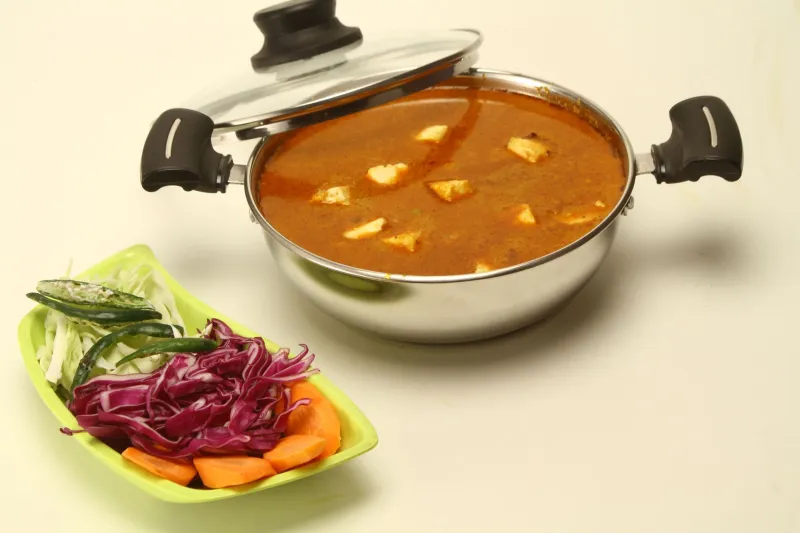
A basic stainless steel tiffin carrier runs anywhere from fifteen to forty dollars and will last decades. The meal structure is flexible: rice or idli in one tier, a lentil preparation like sambar or dal in another, a simple vegetable stir-fry in a third. Pickle and chutney on the side. Done.
And if the cooking feels like too much on a weeknight? Services like Srirangam Bhojnam exist precisely for this — authentic South Indian food prepared with the same care you'd get from a home kitchen, ready to pack into your carrier and carry into your workday.
The break room will never be the same.